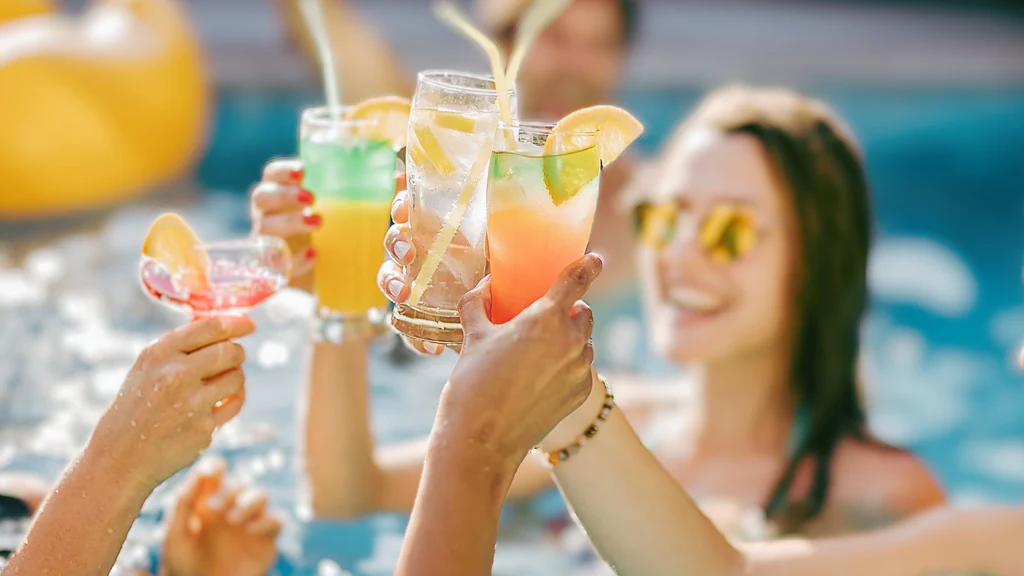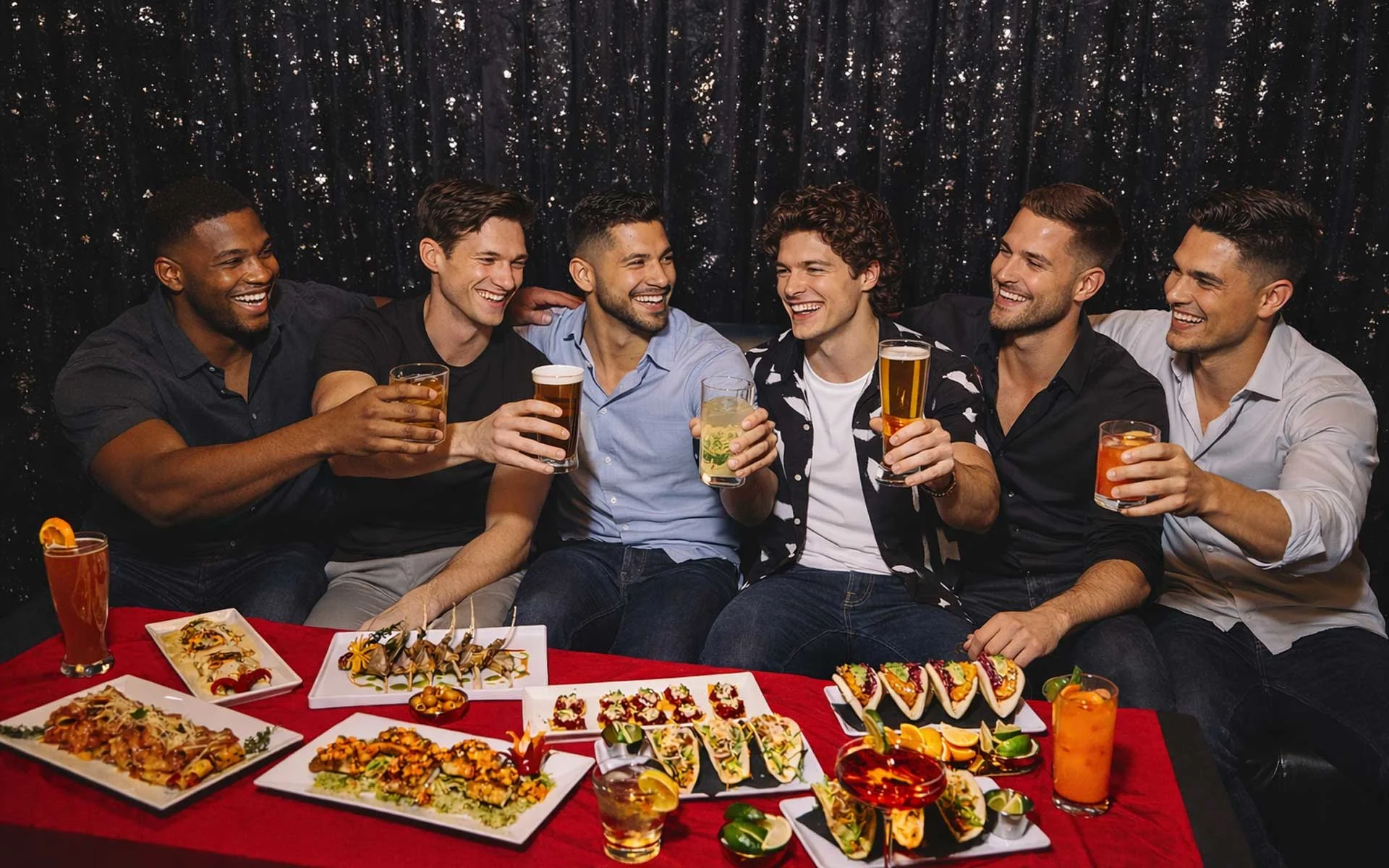
Bars are changing their menus faster than ever. The drinks topping the charts in 2026 aren’t what most people expect. Forget the same old rotation. The spritz has evolved, tequila isn’t a shot anymore, and the martini is somehow both vintage and brand new. And a growing slice of the crowd isn’t drinking alcohol at all; they’re not settling for lemon water.
If you want to know what’s actually trending, what’s worth ordering, and what you should be serving at your next event, you’re in the right place. I am going to break down trending drinks in the discussion so you can choose wisely.
What Actually Makes a Drink “Trending”?
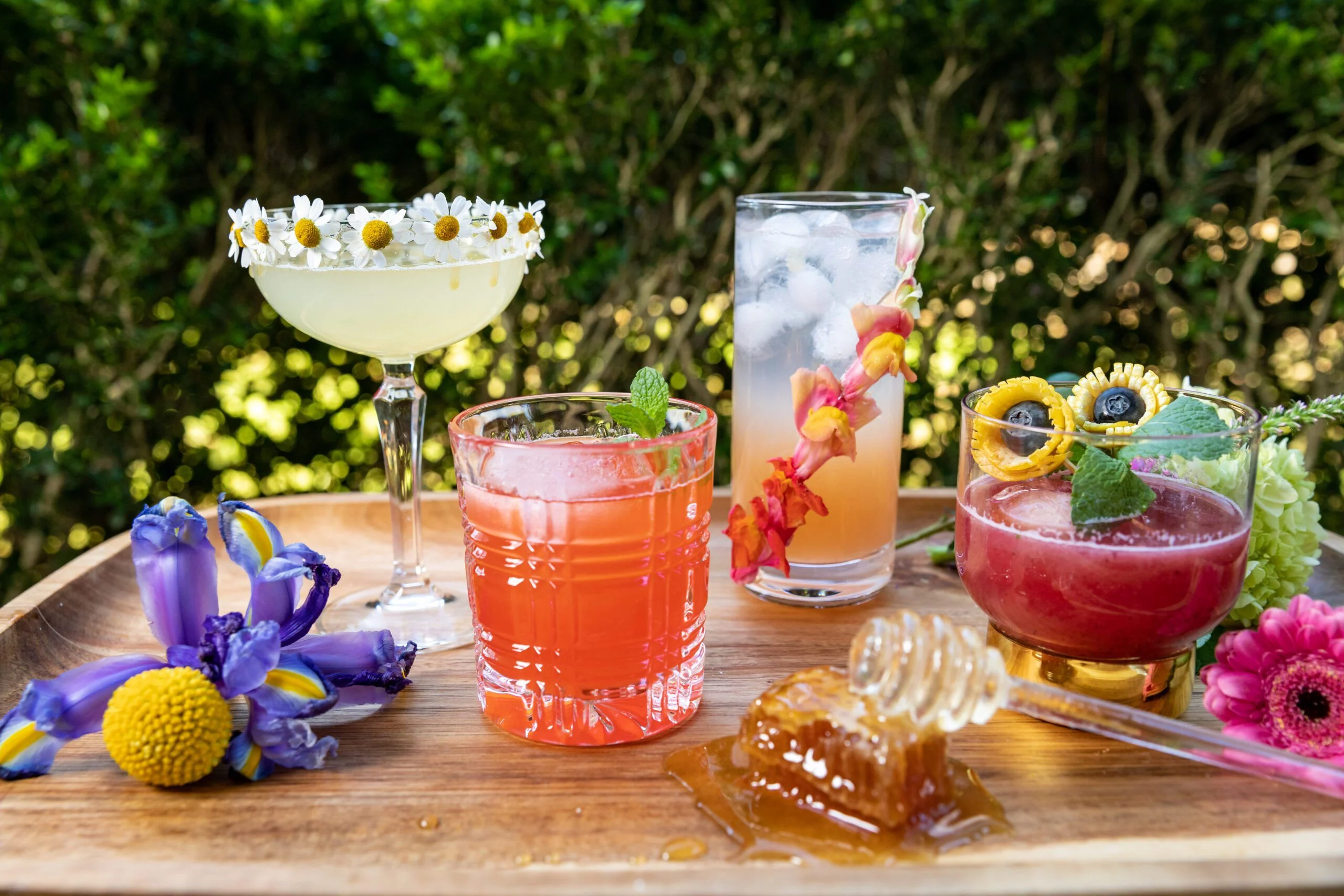
Credit: inregister.com
Here’s something worth understanding before we dive in.
A trending drink isn’t just popular. Lots of things are popular. A trending drink is one that people actively seek out, talk about, and choose over the default.
It needs to tick a few boxes at once:
- Looks good in the glass and on a phone screen
- It tastes approachable, not intimidating
- Fits the moment; lighter, more social, more intentional
- It gives people something to talk about
Social media plays a huge role, and so does travel. People go to Italy, discover a Hugo Spritz, come home, and start ordering it everywhere. This is how bars notice, menus update, and the cycle keeps moving.
What you’ll notice across all the drink trends below is a common thread: approachability. Nobody wants to feel judged for their order. The drinks that are winning right now feel fun, not pretentious.
Spritzes Are Still Everywhere
Credit: epicurious.com
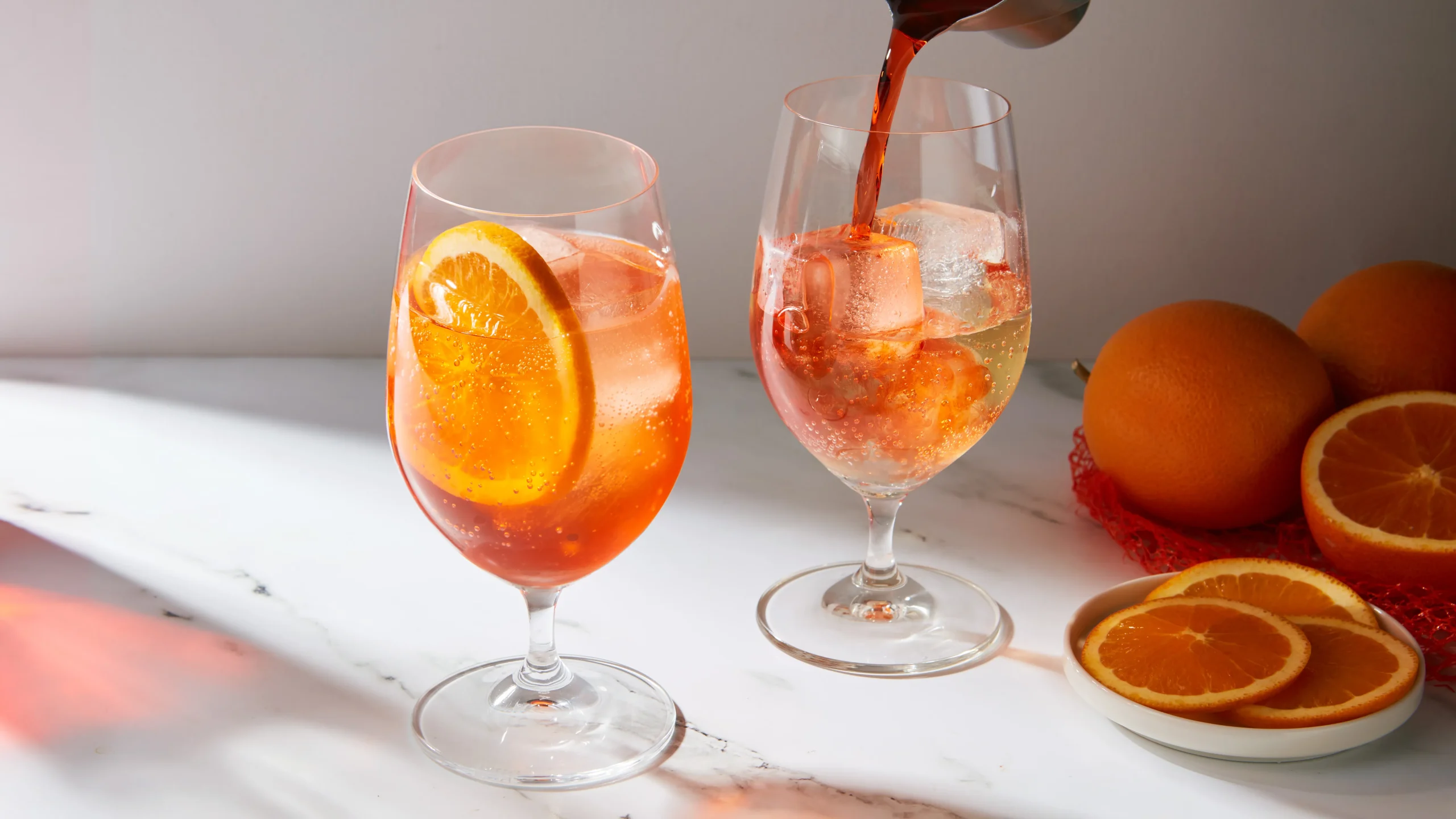
You’ve probably already seen this one. But here’s the thing: the spritz isn’t going anywhere.
What started as Aperol with prosecco has now become an entire category of alcoholic beverages. Spritz culture has expanded way beyond one orange bottle.
There’s the Hugo Spritz: prosecco, elderflower liqueur, soda, and mint, which has genuinely taken over. It’s lighter, more floral, and way less bitter than the Aperol version. Google searches for “Hugo Spritz” have surged dramatically over the last two years, and it’s still climbing.
Then there’s the Limoncello Spritz. The Paloma Spritz. Even matcha-based spritz variations are popping up in craft cocktail bars.
Why is the spritz still leading the drink trends conversation? A few reasons:
- Low in alcohol, which fits how people are drinking now
- Easy to make beautifully, great for Instagram
- Works from midday through the evening
- Endlessly customisable with different liqueurs and garnishes
- Converts easily into a zero-proof version
Spritz sales tripled at U.S. bars and restaurants between 2022 and 2023 alone. That momentum has carried right through into 2026. If you’re hosting a party this summer, spritzes are still your safest, widest-reach bet.
And if you are based somewhere in Ibiza and want a spritz delivered at your doorstep, this is your sign to hire Prodrinks for the job. We offer a premium drinks delivery service 24/7 so you can vibe without the interruption.
Tequila Has Moved Far Beyond Shots
Credit: tastingtable.com
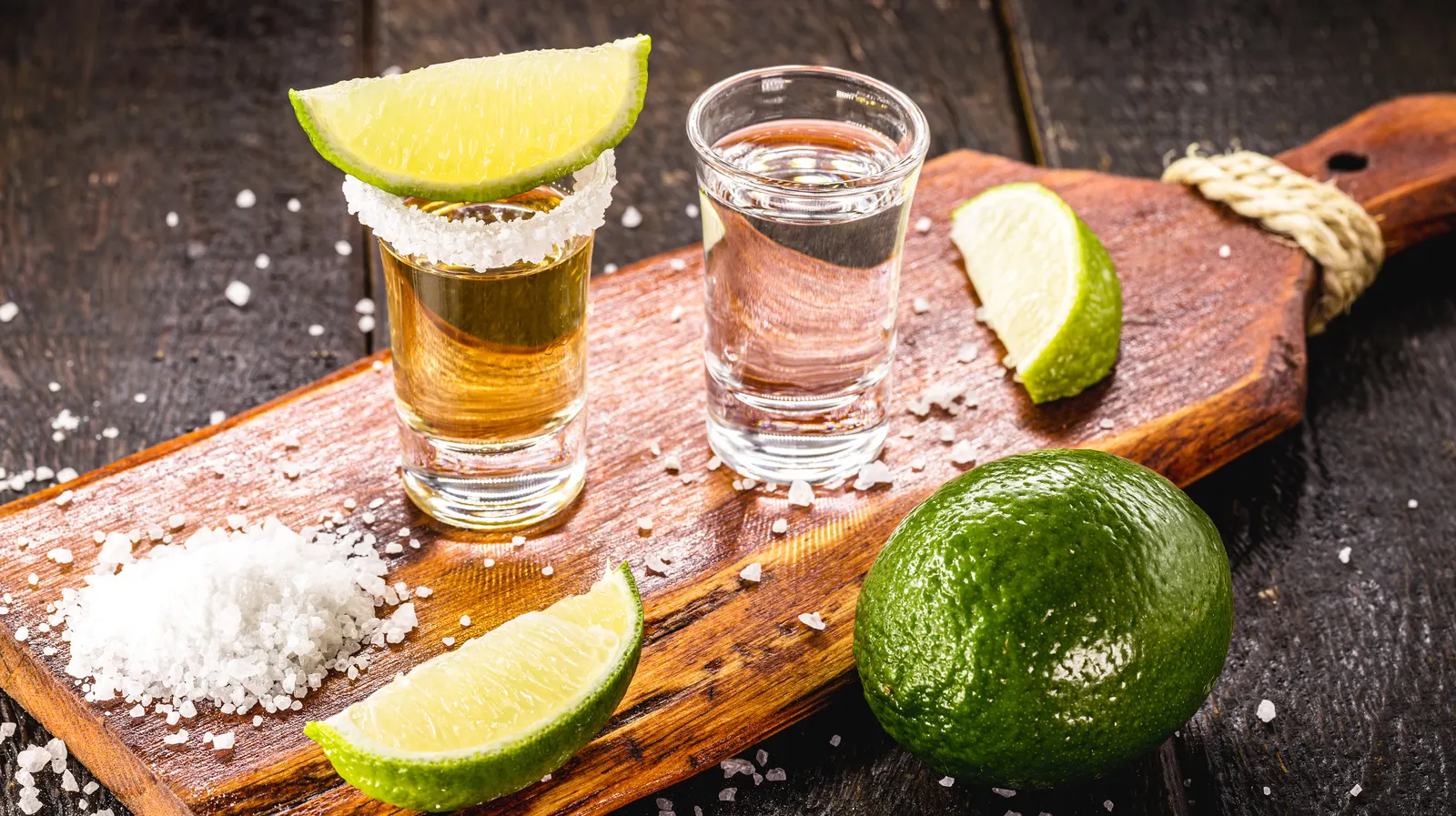
Remember when tequila meant one thing? Shot glass, lime wedge, salt, and regret?
That era is over.
Tequila has matured, and so have the people drinking it. The global tequila market is on track to hit $30 billion by 2028. That’s not a casual drink trend; it’s a full cultural shift.
People are now choosing tequila the way they once chose wine. They care about the agave variety, the production region, and the quality of the bottle. At bars, tequila is showing up in places it never used to be, swapped into espresso martinis, mules, and negronis.
The tequila cocktail recipes leading the charge right now:
- Spicy Margarita: jalapeño-infused, Tajín-rimmed, and genuinely addictive. Sweet meets heat. This is the “swicy” trend in a glass.
- Paloma: tequila and grapefruit soda. A bright citrus drink that’s lighter than a margarita and more refreshing. In Mexico, it’s always been more popular than the margarita. The rest of the world is finally catching on.
- Mezcal Paloma: smoky, complex, and sophisticated. For when you want something with a bit more personality.
- Mexican Mule: a tequila swap on the Moscow Mule. Simple and works brilliantly.
If someone in your group still thinks tequila is just for shots, they haven’t had the right drink yet. Order them a Paloma and watch their opinion change.
Tropical Classics Are Having Another Moment
Credit: beerkulture.com
Some drinks never really go away. They just wait their turn.
The Mojito has been in the top five most-ordered cocktails globally for years. Fresh lime, mint, white rum, and soda are a formula that just works. And it’s been adapted into every possible variation: passion fruit mojito, coconut mojito, and strawberry mojito. The classic is timeless, and believe me, the variations keep it interesting.
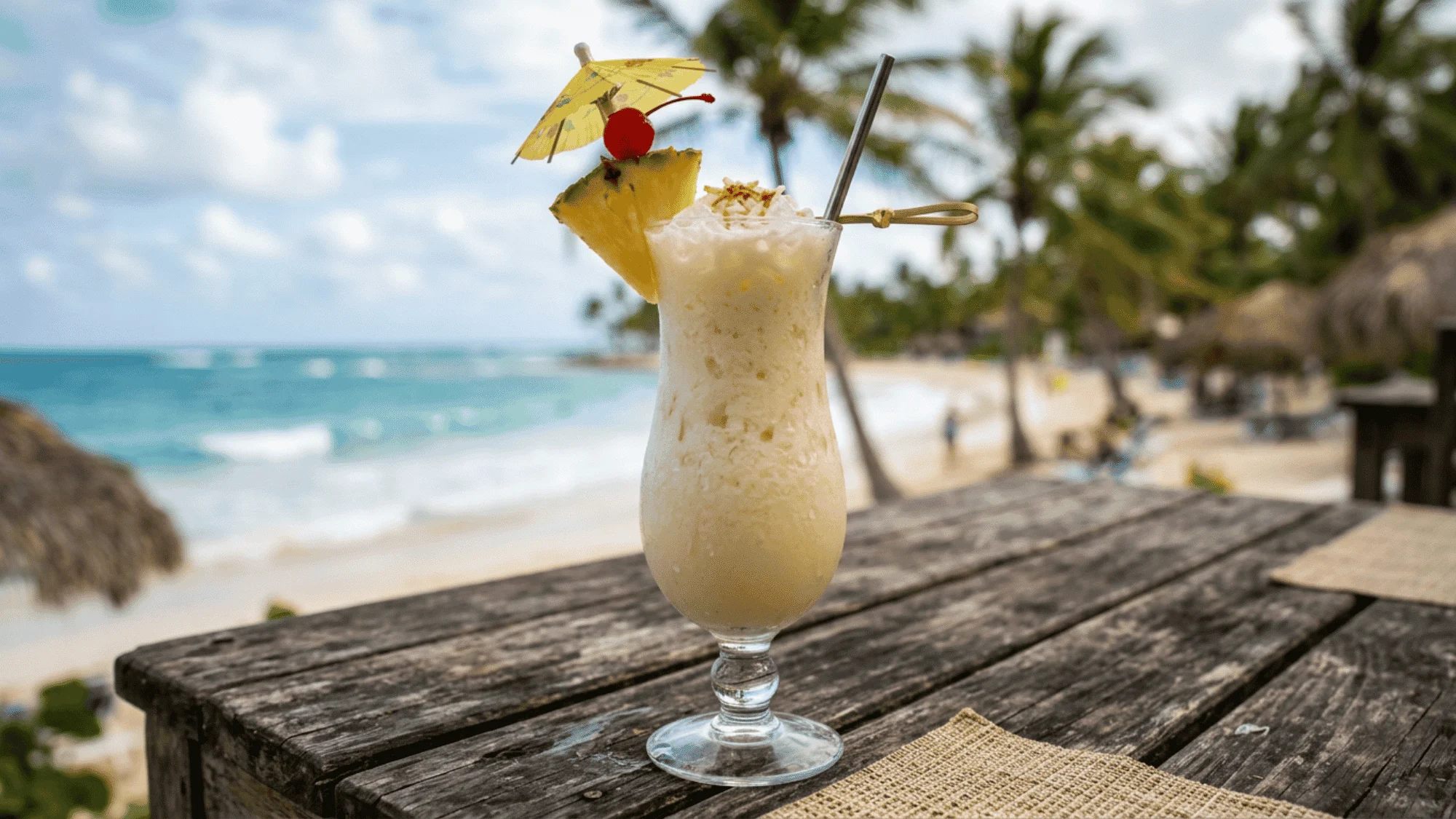
But here’s the real comeback story: the Piña Colada.
Bacardi’s 2026 drinks trends report ranked it as one of the top three global bar calls this year. A 1970s poolside staple is back, and younger drinkers are discovering it for the first time. Why now?
- Fits the “micro-celebration” mood people are after
- Nostalgic without feeling dated
- Feels like a treat, not just a drink
- Bartenders are reinventing it with cleaner coconut cream and fresher ingredients
And for those who love frozen cocktails, the frozen piña colada and frozen daiquiri are both appearing more on summer menus. Blended, icy, and perfect for hot-weather settings like beach clubs, pools, and yacht decks.
The Mai Tai is also making steady appearances. Tiki culture—that playful, theatrical, tropical-escapism style of drinking—is having a quiet resurgence, especially in places where people want an experience alongside their drink.
If you’re putting together drinks for a villa gathering or a boat trip, tropical classics are the move. They’re crowd-pleasers without being boring.
Martinis Haven’t Gone Anywhere
Credit: reverehotel.com
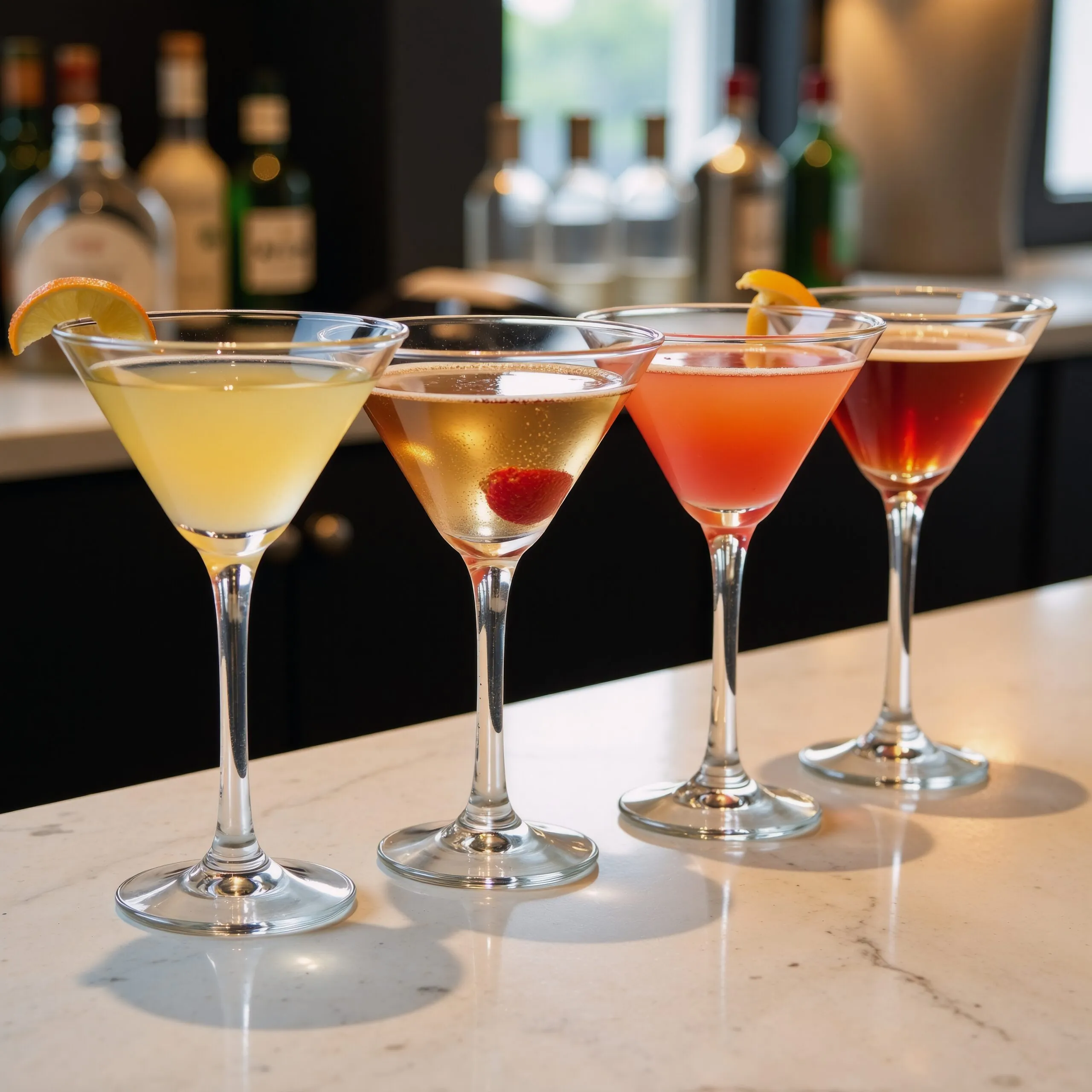
The martini is having a full renaissance. And it’s going in two directions at once.
On one hand, there’s the return of the classic dry martini: gin or vodka, vermouth, ice-cold, stirred properly. Minimal, technical, spirit-forward. Bartenders who know what they’re doing are taking this seriously.
On the other hand, there’s a creative explosion of variations. The martini glass has basically become a canvas for some of the most aromatic cocktails on the menu right now.
Here’s what’s trending in the martini world right now:
- Espresso Martini: vodka, fresh espresso, and coffee liqueur. It’s still the number one or two trending cocktail globally. Monthly Google searches hit 1.4 million. Gen Z is obsessed with it.
- Dirty Martini: gin or vodka, dry vermouth, olive brine. Cold, briny, sophisticated. Industry insiders are calling it the flagship of the 2025–2026 savory cocktail wave.
- Martini flights: three or four mini martini variations served together. Classic, dirty espresso side by side. This format has pulled younger drinkers into the martini category who found a full-strength pour intimidating.
- Lychee Martini: floral, slightly sweet, visually beautiful. Getting more popular in cocktail-forward venues.
The martini, in short, is for everyone now. Just tell your bartender what you want from it.
Simple Highballs Are Winning, Too
Credit: punchdrink.com
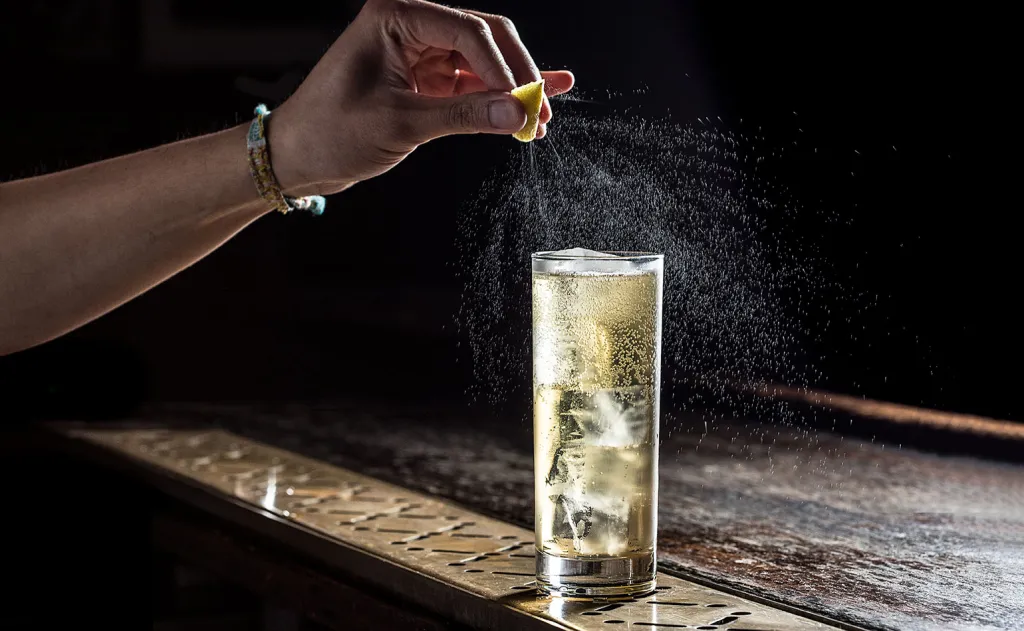
There’s a quiet revolution happening at the bar. It involves people ordering simple things, really well made.
The vodka soda is still one of the most-ordered drinks worldwide. It suits people who are watching what they drink, staying sharp through a long evening, or simply don’t want to overthink it.
The Gin and Tonic is in a similar position, but its star has been rising again thanks to craft gins and boutique tonic waters. A proper G&T with the right garnish feels like a completely different drink from the standard bar pour.
Other highballs worth knowing:
- Ranch Water: tequila, lime, and sparkling mineral water. Simple, refreshing, and gaining fast in warm-weather markets.
- Gin & Tonic with botanicals: herbs, exotic citrus, and edible flowers. One of the most aromatic cocktails you can order when done right.
- Rum & Coke (Cuba Libre): still ranking in the top ten globally. Sometimes the classics just work.
What these drinks share is precision over complexity. When there are only three ingredients, the quality of each one matters completely. Fewer ingredients, better execution, more focus on what the spirit actually tastes like.
Don’t underestimate the humble highball, especially at a venue that cares about what’s in the bottle.
Low-Alcohol & Alcohol-Free Drinks Are Now Real Orders
This one used to feel like a compromise. It doesn’t anymore.
The zero-proof movement has gone fully mainstream. And it’s not just driven by people who don’t drink; it’s driven by people who do drink but are choosing to be more intentional about it. It’s one of the most significant beverage trends of the decade.
The numbers back this up:
- Over 40% of Americans are actively trying to drink less
- 38% of Gen Z drinkers are buying more non-alcoholic beverages than a year ago
- Awareness of low-ABV cocktails (under 3%) jumped from 58% to 63% between 2024 and 2025
- The global low-alcohol beverage market is expected to grow from $1.33 billion in 2024 to $1.41 billion in 2025
What’s changed is the quality. The zero-proof options available now are genuinely good. Alcohol-free spirits with real complexity. Non-alcoholic aperitifs. Low-ABV spritzes with actual depth.
Bars are building “mirrored menus”: every alcoholic cocktail is matched with a zero-proof equivalent. The best venues in 2026 don’t treat the non-alcohol section as an afterthought.
If you’re hosting a mixed group, some drinkers, some not, a good no/low option isn’t just considerate. It’s expected.
What Flavors Are Showing Up in Trending Drinks?
Credit: theurbanlist.com
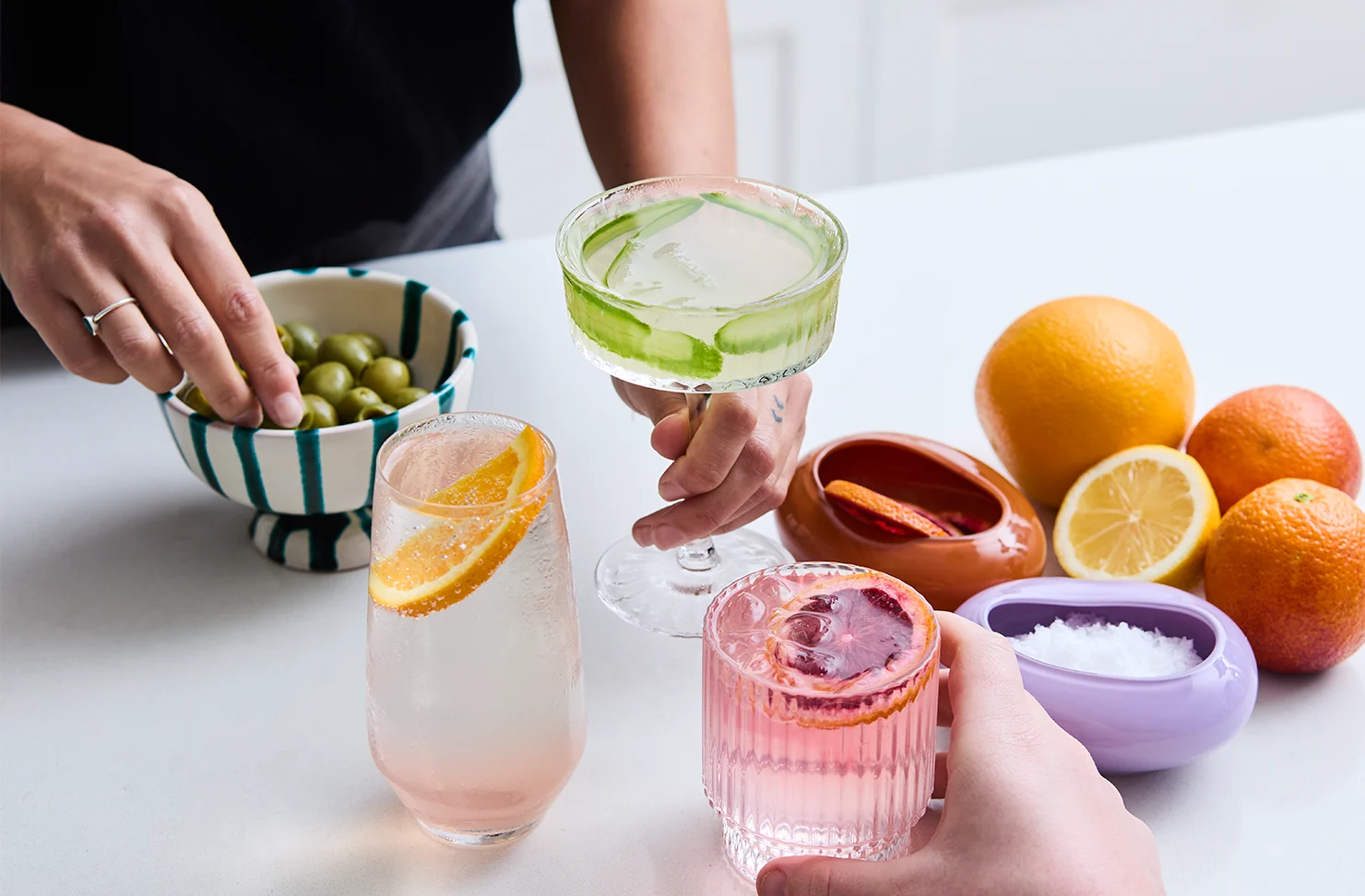
Beyond specific cocktails, there are clear flavor directions dominating right now. Worth knowing if you’re planning a seasonal drinks menu or just trying to understand why certain drinks are catching on.
- Citrus drinks: fresh grapefruit, yuzu, lime, and lemon. Light, bright, acidic. These are leading the pack because they feel clean and don’t leave you heavy. The citrus trend is showing no sign of slowing.
- Floral and botanical: elderflower, hibiscus, lavender, rose. Sophisticated without being heavy. The Hugo Spritz effect is rubbing off on the whole category.
- Spicy and savory: jalapeño, Tajín, olive brine, chili-lime salt. The “swicy” trend is real, and so is the umami wave; miso and savory brine are showing up in serious cocktail programs.
- Japanese-influenced: yuzu, lychee, matcha, shiso, sake-washed spirits. Subtle complexity, unexpected depth.
- Tropical fruit: passion fruit, mango, coconut, and pineapple. Not just in dedicated tropical drinks, these flavors are showing up in margaritas, spritzes, and even martini variations.
Understanding these flavor directions helps you make smarter orders. It also helps you build a seasonal drinks menu that feels current rather than dated.
Why Are These Drinks Trending Now?
Worth stepping back and asking the bigger question. Why these drinks right now?
A few things are converging, and together they explain every drink trend on this list:
- Moderation is mainstream. People aren’t giving up alcoholic beverages; they’re being more intentional about them. Lighter cocktails, lower ABV, and quality over quantity. The drinks being won right now feel good across an afternoon, not just during a big night out.
- Social media drives discovery fast. A drink that photographs well gets ordered. The Hugo Spritz went from niche European trend to global phenomenon partly because of TikTok and Instagram. That cycle moves quickly.
- Nostalgia is a real force. Piña Coladas, mojitos, martinis—these drinks feel familiar and safe in uncertain times. Bars are leaning into this by elevating the classics rather than replacing them.
- Experience matters. A drink needs to deliver more than just flavor. The garnish, the glassware, the ritual of a well-made cocktail—that’s all part of what people are paying for now.
Final Words
Here’s what all of this really comes down to.
The trending drinks people are ordering right now reflect something bigger than cocktail preferences. People want to feel good during the drink and after. They want something that looks the part, tastes clean, and suits the moment they’re in.
Next time you sit down at a bar, order with confidence. And if you’re building a drinks experience for others, keep it approachable, keep it quality, and keep it fun.
That’s what’s trending in drinks. And honestly, it always will be.
Frequently Asked Questions
Here’s what you might be interested in knowing about trending drinks.
What is the most trending cocktail right now?
The Espresso Martini, Spicy Margarita, and Hugo Spritz are among the most-ordered drinks globally in 2025–2026. The Mojito and Paloma are also consistently topping bar charts.
What drinks are popular for outdoor events like parties, villas, or yacht gatherings?
Spritzes (Aperol or Hugo) work brilliantly as arrival drinks. Mojitos and frozen cocktails like a Piña Colada suit poolside or boat settings. For something more elevated, a batch Paloma or a Dirty Martini station gives guests variety without stress.
Are low-alcohol drinks actually popular now, or is it just marketing?
It’s real. Over 40% of adults are actively trying to cut back on alcohol, and the quality of low-ABV and zero-proof options has genuinely improved. The best bars now build full non-alcoholic menus.
What flavors are trending in cocktails in 2026?
Citrus drinks (especially grapefruit and yuzu), spicy (jalapeño and chili), floral (elderflower and hibiscus), and tropical (passion fruit, mango, and coconut) are the dominant flavor directions.
Is tequila really replacing vodka as the go-to spirit?
It’s well on its way. Tequila is the fastest-growing spirit category globally, and drinkers are choosing it for sipping-quality cocktails rather than just shots. Vodka isn’t going anywhere, but tequila has earned its spot at the top of the menu.