Let’s get into it.
First, a Quick Lesson: Fermented vs. Distilled
Credit: tarbarrel.com.au
Before we dive into the types of drinks, you need to understand one thing.
All alcoholic drinks start with fermentation. Yeast eats sugar. It produces ethanol, and that’s the alcohol we drink. Simple.
But some drinks go one step further: distillation. The liquid is heated. Alcohol vapors are captured and condensed. This removes water and concentrates the alcohol.
That’s why spirits hit harder than beer.
Here’s the basic split of fermented vs distilled drinks:
- Fermented drinks → Beer, wine, hard cider, mead, sake
- Distilled drinks → Vodka, gin, whiskey, rum, tequila, brandy
Keep that in mind. It explains everything.
Beer: The World’s Most Popular Drink
Credit: stacker.com
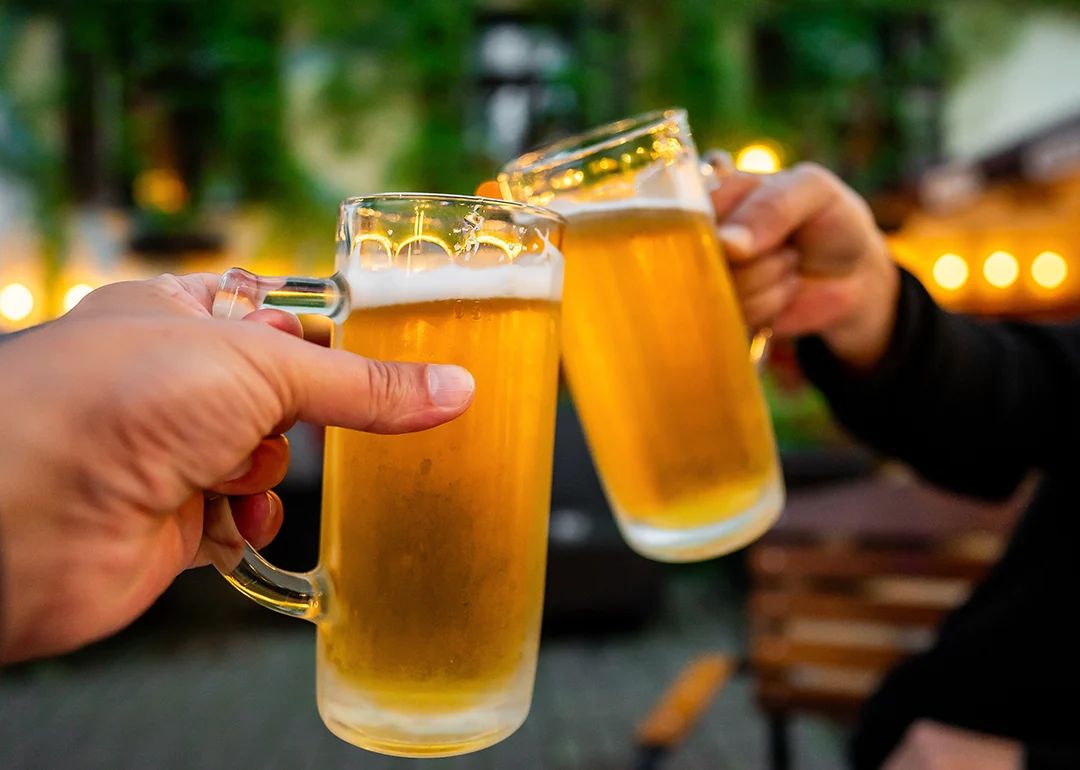
After water and tea, beer is the most consumed drink on the planet. That tells you something.
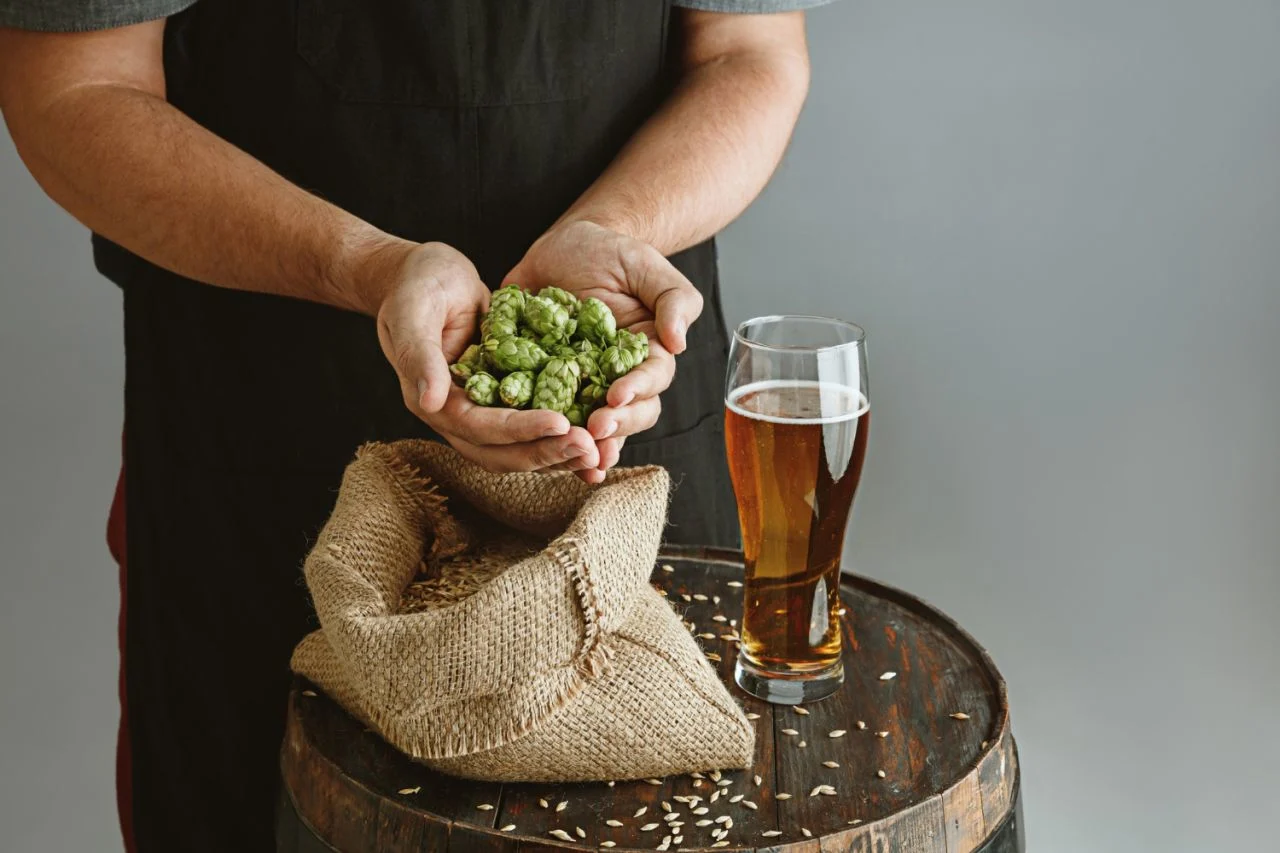
Beer is made from four ingredients: water, malted barley or wheat, hops, and yeast. The hops add that signature bitterness. The yeast drives fermentation.
Most standard beers sit between 4–6% ABV, or alcohol by volume. Light beers go lower, around 2–4%. Craft ales and imperial stouts can push past 10%.
There are two major alcohol types:
- Lagers — Fermented at cold temperatures. Think crisp, clean, and refreshing. Pilsners are the classic example. Great for hot days or casual occasions.
- Ales — Fermented warm. Fuller, fruitier, more complex. This category includes IPAs, stouts, porters, pale ales, and wheat beers.
If you’re new to beer, start with a lager. Then explore from there. IPAs are boldly hoppy. Stouts are dark and roasty. Wheat beers are soft and slightly cloudy.
There’s genuinely a beer for every palate. And if you’re watching alcohol content, lighter beers offer lower ABV options without sacrificing flavor.
Wine: More Than Just a Fancy Drink
Credit: virginwines.co.uk
This has been around for thousands of years. And honestly, it deserves more credit than being the “fancy” option.
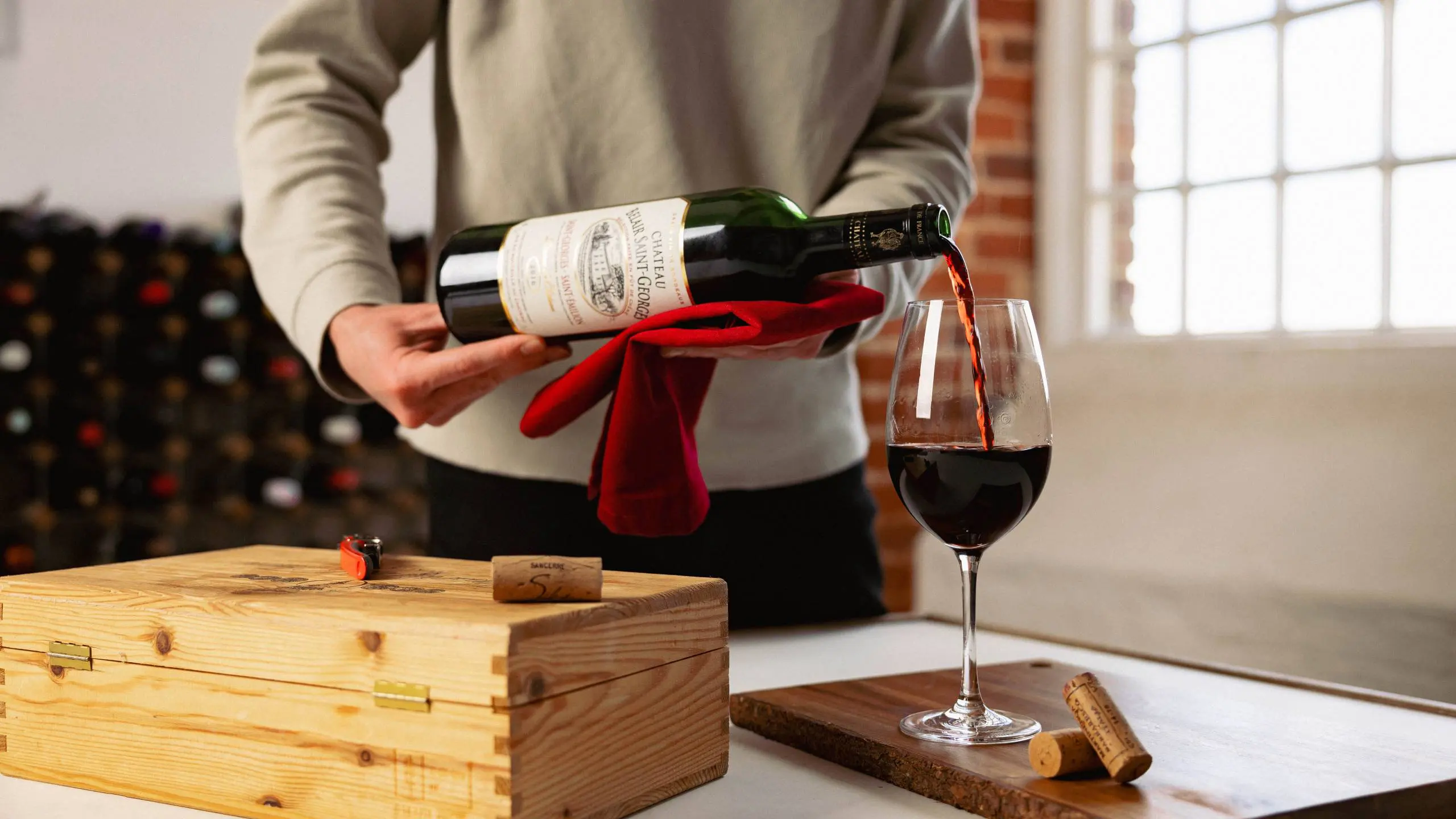
Wine is made from fermented grape juice. The grape variety, the soil, and the climate all affect the flavor and tasting notes. That’s what winemakers call terroir.
Standard wine sits at around 12–14% ABV.
Here are the main types of drinks in the wine family:
- Red wine — Made from dark grapes. Bold, tannic, rich. Think Cabernet Sauvignon, Merlot, and Malbec.
- White wine — Lighter, crisper, often fruity or floral. Chardonnay, Sauvignon Blanc, and Pinot Grigio.
- Rosé — Made from brief skin contact with red grapes. Sits between red and white in flavor.
- Sparkling wine — Carbonated. Champagne drinks are the most famous example. Perfect for celebrations.
- Fortified wine — Wine with added distilled spirit to boost strength. Think Port, Sherry, Vermouth, and Madeira. These typically reach around 20% ABV.
Vermouth, by the way, is essential if you enjoy cocktails. It’s the backbone of classic cocktails: the Martini and the traditional Manhattan.
Spirits: The Big Six You Need to Know
Credit: thesipguide.co.uk
This is where things get really interesting.
Spirits are distilled alcoholic beverages. They’re stronger, typically 40–55% ABV. They’re the foundation of almost every mixed drink and cocktail recipe you’ve ever loved.
There are six base spirits. Know these, and you know the bar.
Vodka
It is made from fermented grains or potatoes. It’s intentionally neutral in flavor.
That neutrality is its superpower. It works in almost any mixed drink. Moscow Mule, Bloody Mary, and Espresso Martini; vodka holds them all together.
ABV: typically 40%.
Gin
Gin starts as a grain-based neutral spirit. Then botanicals are added. To legally be called gin, juniper berries must be the dominant flavor. That’s the piney, herbal character you taste.
Modern craft gins have exploded with unique botanicals: citrus peel, coriander, lavender, and more.
Classic cocktails include: Gin & Tonic, Dry Martini, and Tom Collins.
ABV: 40–55%.
Whiskey
Whiskey is a barrel-aged spirit made from fermented grain mash. The aging process in oak barrels gives it that golden color and complex flavor.
The word is spelled differently depending on origin: whiskey in Ireland and the USA and whisky in Scotland, Japan, and Canada.
Major alcohol types include:
- Bourbon — American, made with at least 51% corn. Sweet, with caramel and vanilla notes. Bourbon cocktails are iconic.
- Scotch — Scottish, often smoky and peaty, aged a minimum of 3 years.
- Irish Whiskey — Smooth and light, triple-distilled.
- Rye — Spicy and dry, made with at least 51% rye grain.
- Japanese Whisky — Delicate, balanced, gaining global recognition fast.
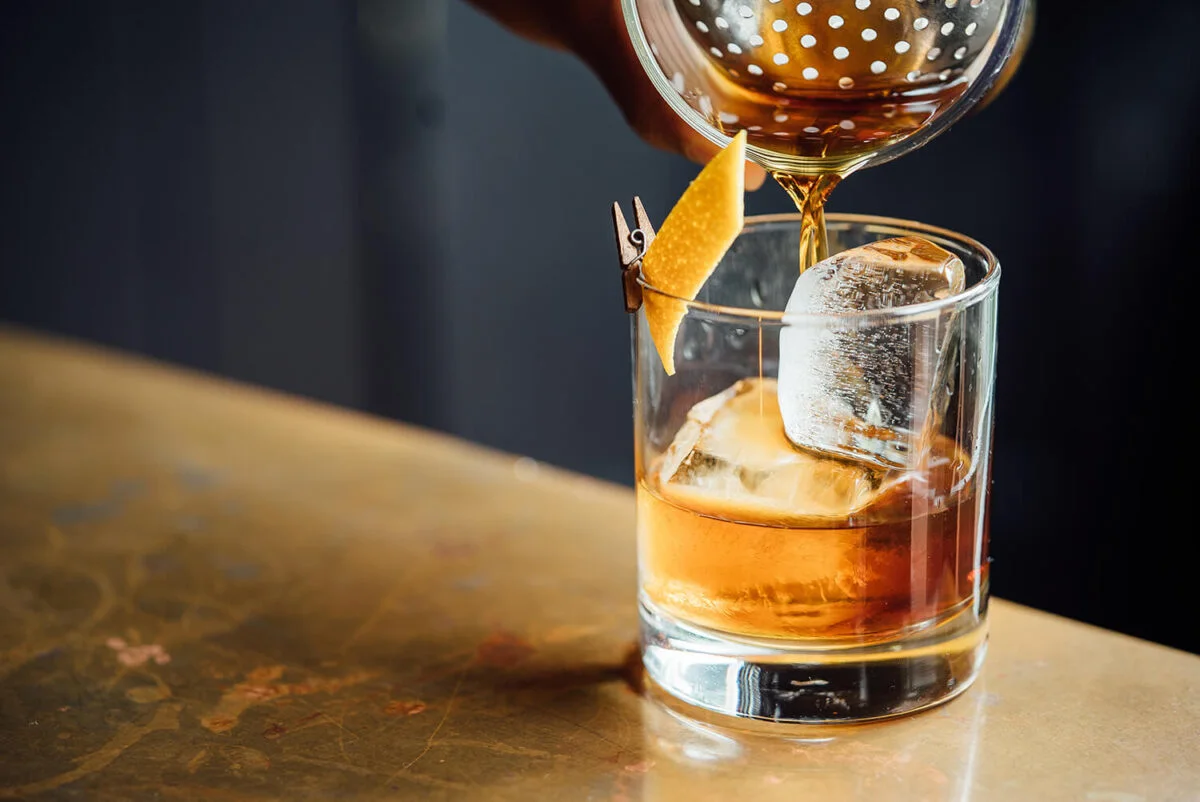
Classic cocktails include: Old Fashioned, Manhattan, and Whiskey Sour.
ABV: 40–50%.
Rum
It is distilled from fermented sugarcane juice or molasses. It originates from the Caribbean and has deep ties to tropical culture.
Styles range from light white rum, used in daiquiris and mojitos, to dark aged rum, sipped neat or in a Dark & Stormy. Overproof rums can reach 75% ABV or higher; handle with care.
Malibu rum is a coconut-flavored variety perfect for tropical beverage recipes.
Classic cocktails include: Mojito, Piña Colada, and Daiquiri.
ABV: typically 40%.
Tequila
An interesting fact is that tequila comes from one plant only: the Weber blue agave, grown in Mexico. By law, it can only be produced in specific Mexican regions.
It has a semi-sweet, earthy, slightly spicy flavor. Blanco tequila is unaged and crisp. Reposado is aged a few months for softness. Añejo is aged over a year for richness.
Mezcal is tequila’s smokier cousin. It can be made from various agave plants and has a deeper, more complex flavor. Perfect if you’re exploring alcoholic drinks from Spain and Mexico’s rich spirits tradition.
Classic cocktails include: Margarita recipes and tequila drinks like Tequila Sunrise and Paloma.
ABV: 35–55%.
Brandy
Brandy is essentially distilled wine. It’s made from fermented fruit juice, most commonly grapes, but also apples, cherries, and apricots.
Cognac is the most famous brandy drink in the world, produced in France under strict regulations. Cider varieties and apple brandy drinks like Calvados are also exceptional. Pisco is a South American grape brandy with a cult following.
Brandy is often sipped after dinner. It’s smooth, warm, and deeply aromatic.
ABV: 35–60%.
Liqueurs: The Sweet Surprise
Credit: newdealbottleshop.com
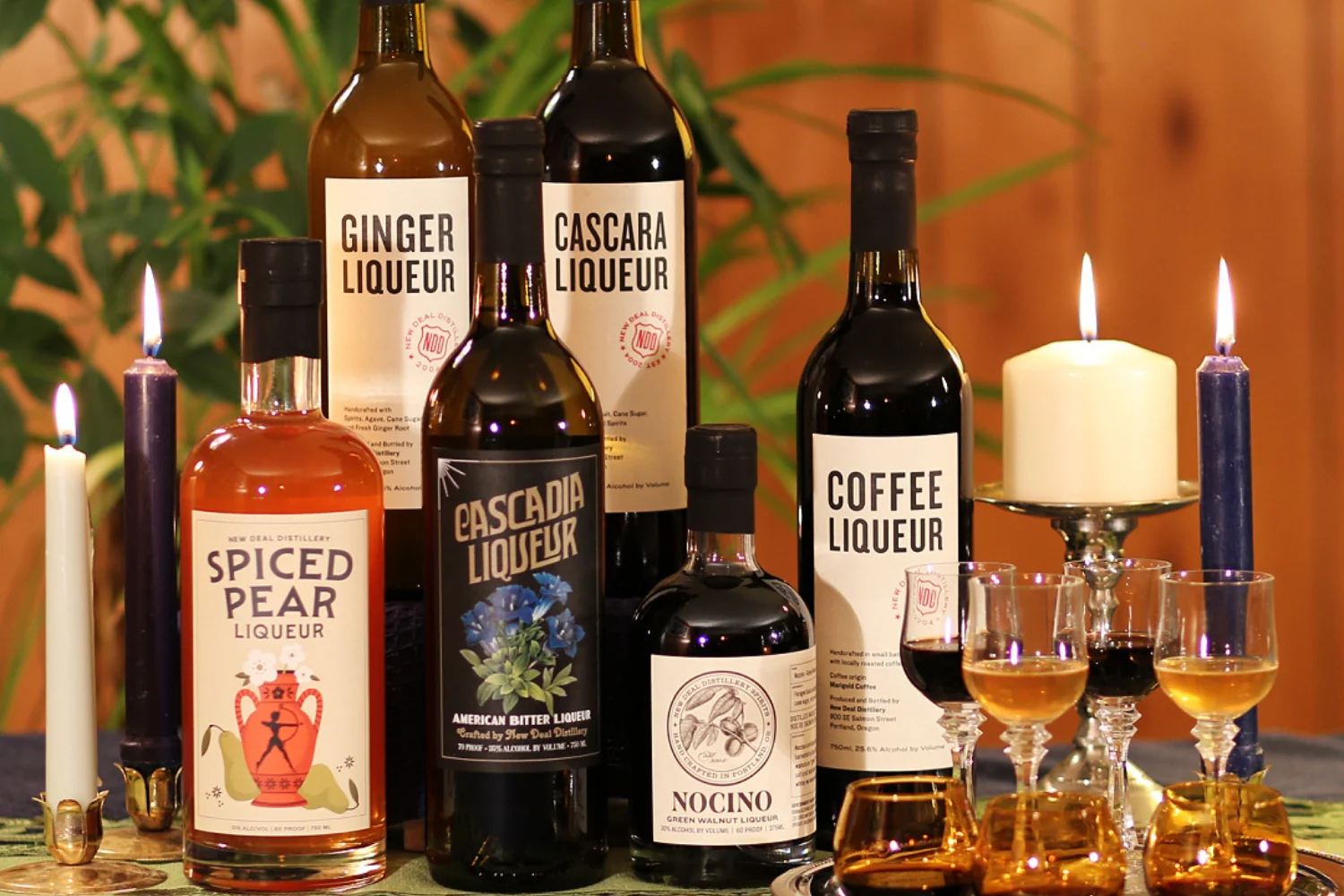
They’re rarely sipped alone. They shine in cocktail recipes and beverage recipes.
Some you’ve definitely heard of:
- Amaretto — Almond-flavored Italian liqueur
- Kahlúa — Coffee-flavored, perfect in an Espresso Martini
- Cointreau / Triple Sec — Orange-flavored, essential in Margarita recipes or Cosmopolitan
- Baileys — Irish cream liqueur, sweet and indulgent
- Campari — Bittersweet Italian herbal liqueur, used in a classic cocktail called the Negroni
Think of liqueurs as the seasoning in a mixed drink’s masterpiece. A little goes a long way.
The New Players: Hard Cider, Hard Seltzer & Hard Kombucha
The drinks market has evolved. Here are three categories worth knowing:
- Hard Cider — Fermented apple juice. Sweet, light, and gluten-free. Usually around 5% ABV. Great for those who don’t enjoy beer. Cider varieties range from dry to sweet.
- Hard Seltzer — Carbonated water with alcohol. Light and low-calorie, it comes in fruity flavors. Easy to drink, easy to transport. Looking for the least-calorie alcoholic drink? Hard seltzers are your answer.
- Hard Kombucha — Fermented tea with a slightly tangy, fizzy character. Longer fermentation increases the ABV. A popular choice among health-conscious drinkers.
These aren’t just trends. They’re here to stay.
Spanish Spirits: A Unique Tradition
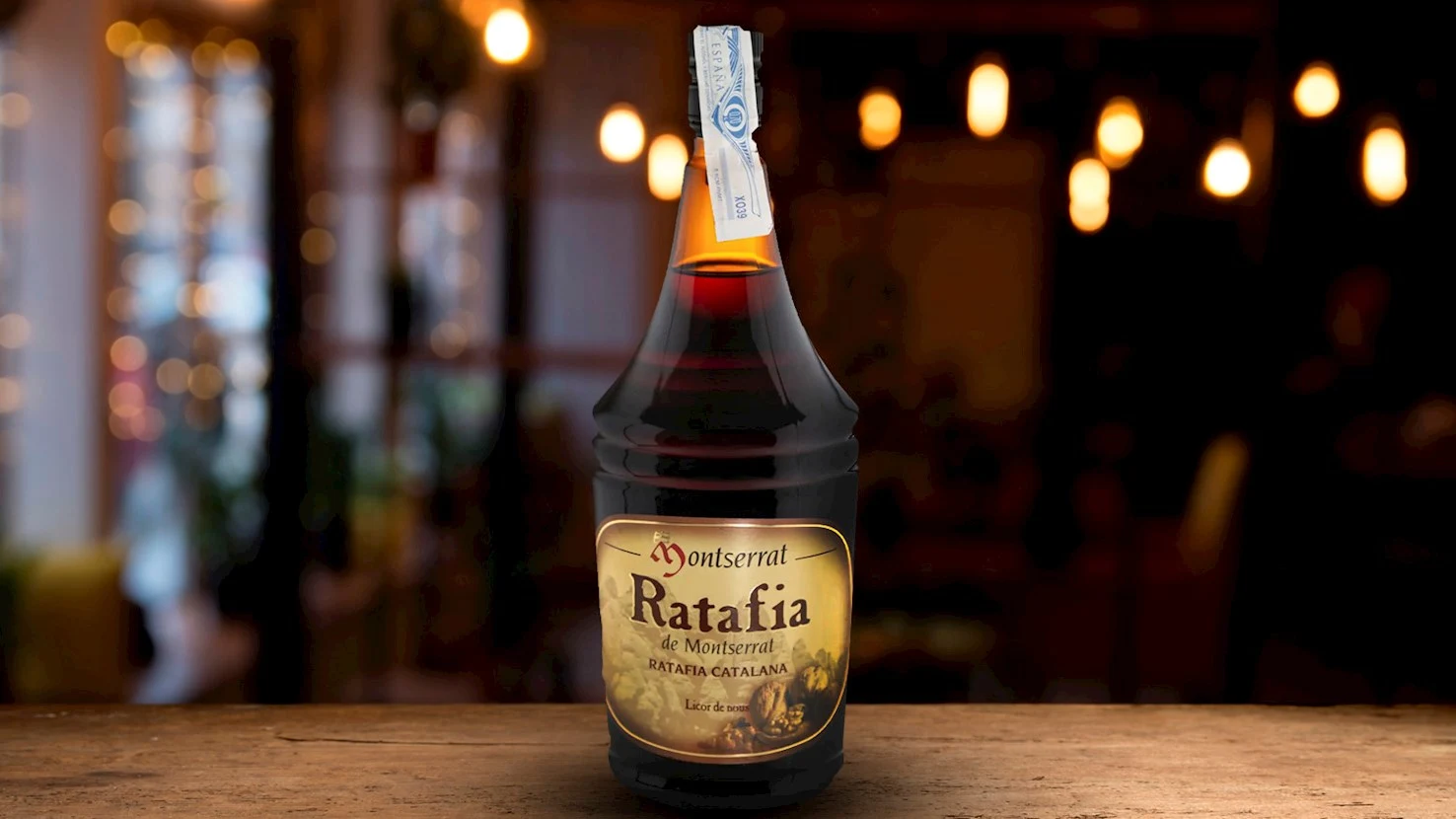
Credit: tasteatlas.com
If you’re exploring alcoholic drinks from Spain, you’re in for a treat.
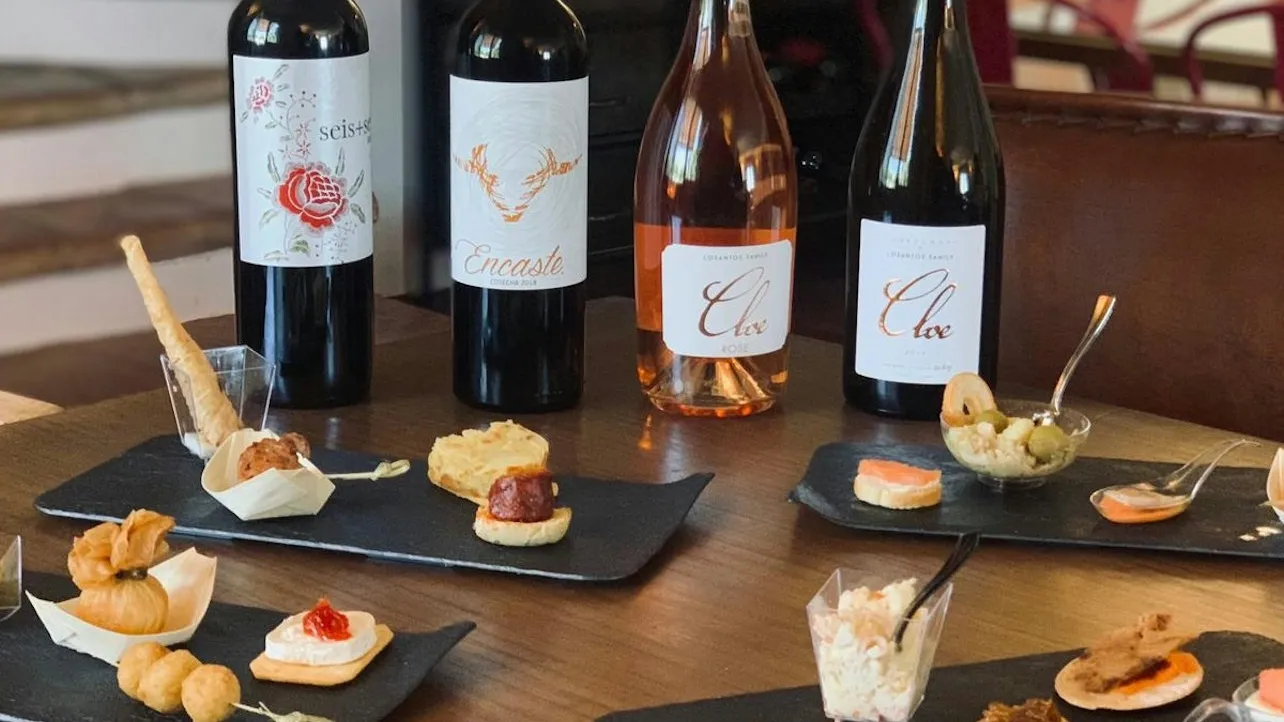
Alcoholic Spanish drinks include sherry, a fortified wine with complex tasting notes. Vermouth, a botanical-infused wine perfect for traditional cocktails. And brandy de Jerez, a smooth spirit aged in solera casks.
Spain also produces exceptional aperitif drinks, beverages designed to stimulate appetite before a meal. These lighter options showcase the country’s winemaking heritage.
Picking the Right Drink for the Occasion
Here’s a quick, practical guide:
| Occasion | Best Choice |
|---|---|
| Casual afternoon | Lager, hard cider, or hard seltzer |
| Dinner party | Wine, red or white depending on food |
| Celebration | Champagne drinks or sparkling wine |
| After-dinner sipper | Brandy, whiskey neat, or a liqueur |
| Tropical/summer vibes | Rum cocktail recipes, such as Mojito or Daiquiri |
| Classic cocktail night | Gin Martini or Whiskey Old Fashioned |
| Low-ABV evening | Wine, beer, or aperitif drinks, such as Campari + tonic water |
| Exploring new flavors | Alcoholic Spanish drinks or craft spirits |
The right drink depends on mood, food, company, and preference. That’s the beauty of it.
Understanding Alcohol Content & Responsible Drinking
Alcohol content varies dramatically across types of alcoholic drinks. A standard drink contains roughly 14 grams of pure ethanol:
- 12 oz of beer at 5% ABV
- 5 oz of wine at 12% ABV
- 1.5 oz of 80-proof spirit, or 40% ABV
If you’re monitoring a 0.5 alcohol limit, know that guidelines typically suggest up to 1 drink daily for women and 2 for men.
Many craft beers, wines, and spirits exceed standard ABVs. So portion sizes matter a lot.
Ending Remarks
There you have it: every major type of alcoholic drink, explained simply. From alcoholic Spanish drinks to bourbon cocktails, there’s an entire world of alcoholic beverages waiting for you.
The key takeaway? Don’t overthink it. Explore and try new things. Understand what’s in your glass. At Pro Drinks, we believe every drink tells a story. Go find yours.
And as always, drink well and drink responsibly.
Frequently Asked Questions
Not sure where to start? Here are a few of the frequently asked questions about alcoholic drinks.
What are the main types of alcoholic drinks?
The main types of drinks are beer; wine; spirits such as vodka, gin, whiskey, rum, tequila, and brandy; and liqueurs. There are also newer categories like hard cider, hard seltzer, and hard kombucha. Alcoholic Spanish drinks like sherry and vermouth offer unique alternatives.
What is the difference between a spirit and a liqueur?
A spirit is a distilled alcoholic beverage, typically 40% ABV or higher. A liqueur is a spirit that has been sweetened and flavored. Liqueurs are generally lower in alcohol, between 15–30% ABV. Both work wonderfully in cocktail recipes and traditional cocktails.
Which type of alcohol has the highest ABV?
Spirits tend to have the highest alcohol content, usually 40–55%. Some overproof rums and gins can exceed 75%. Grain alcohols like Everclear can reach up to 95% ABV.
What’s the best alcoholic drink for beginners?
Light lagers, hard cider, and fruity mixed drinks are great starting points. They’re mild, approachable, and easy to enjoy without overwhelming the palate.
Can I make cocktails at home with just a few bottles?
Absolutely. Stock a good vodka, gin, rum, tequila, and whiskey—the “big five.” Add a bottle of Cointreau and vermouth. You’ll be able to make the majority of classic cocktails from there.