Most whisky lists are written by people who barely tasted the bottles. You’ve seen them: ten names, three adjectives each, and a buy button. “Smooth”, “Complex” and “Rich”. Words that mean absolutely nothing.
Nobody explains why a bottle earned its place. So every list feels identical, and you learn nothing.
We’re doing the opposite here. Each of these top ten whiskies represents a lesson.
One shows you what sherry casks actually do to a spirit. One shows you what real peat smoke tastes like. And one proves that four years in Taiwan can beat twelve in Scotland.
You don’t have to buy all ten. But drink through half of them, and you’ll read a whisky label properly for the first time.
What Earns a Whisky a Place on This List?
Four things help whisky earn the place; that’s it.
- You can actually buy it. No auction-only bottles. No allocated releases you’ll never see. Every whisky here sits on a decent shelf or arrives through a good drinks delivery service.
- It tastes the same every time. Consistency matters more than people admit. When you learn a flavour from a reliable bottle, that knowledge sticks.
- It teaches you a style. Each pick represents a category. Speyside, Islay, bourbon whiskey, rye, Irish pot still, and Japanese blending. Learn the reference point, then explore from there.
- The price makes sense. Some bottles cost more because the barrel aging genuinely earned it. Others cost more because of marketing. Plenty of top-brand whisky sits in that second group, and we’ve mostly avoided it.
One thing you won’t find here: a ranking. Whisky number one isn’t better than whisky number ten. They’re doing completely different jobs, and let me tell you how.
Below are the top 10 whisky options for you if you are doing some research.
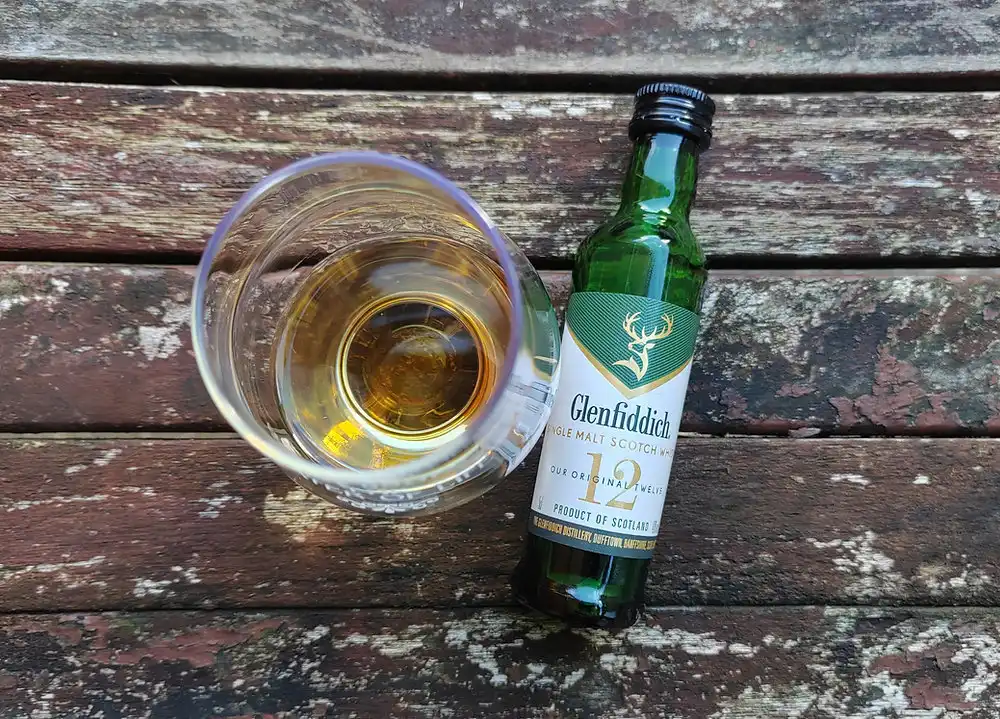
Glenfiddich 12
Credit: lifeofandra.com
Start here, and you will thank me later.
This is the world’s most recognised single malt Scotch whisky, and there’s a good reason. It’s clean, gentle and full of pear and green apple. A little vanilla sits underneath from the bourbon casks.
Nothing about it fights you.
- What it teaches you: the baseline. Once you know what Glenfiddich 12 tastes like, you have a reference point for every other Speyside malt whisky. Everything else becomes “sweeter than this” or “smokier than this”.
Good with soda on a warm afternoon. Better neat when the sun drops.
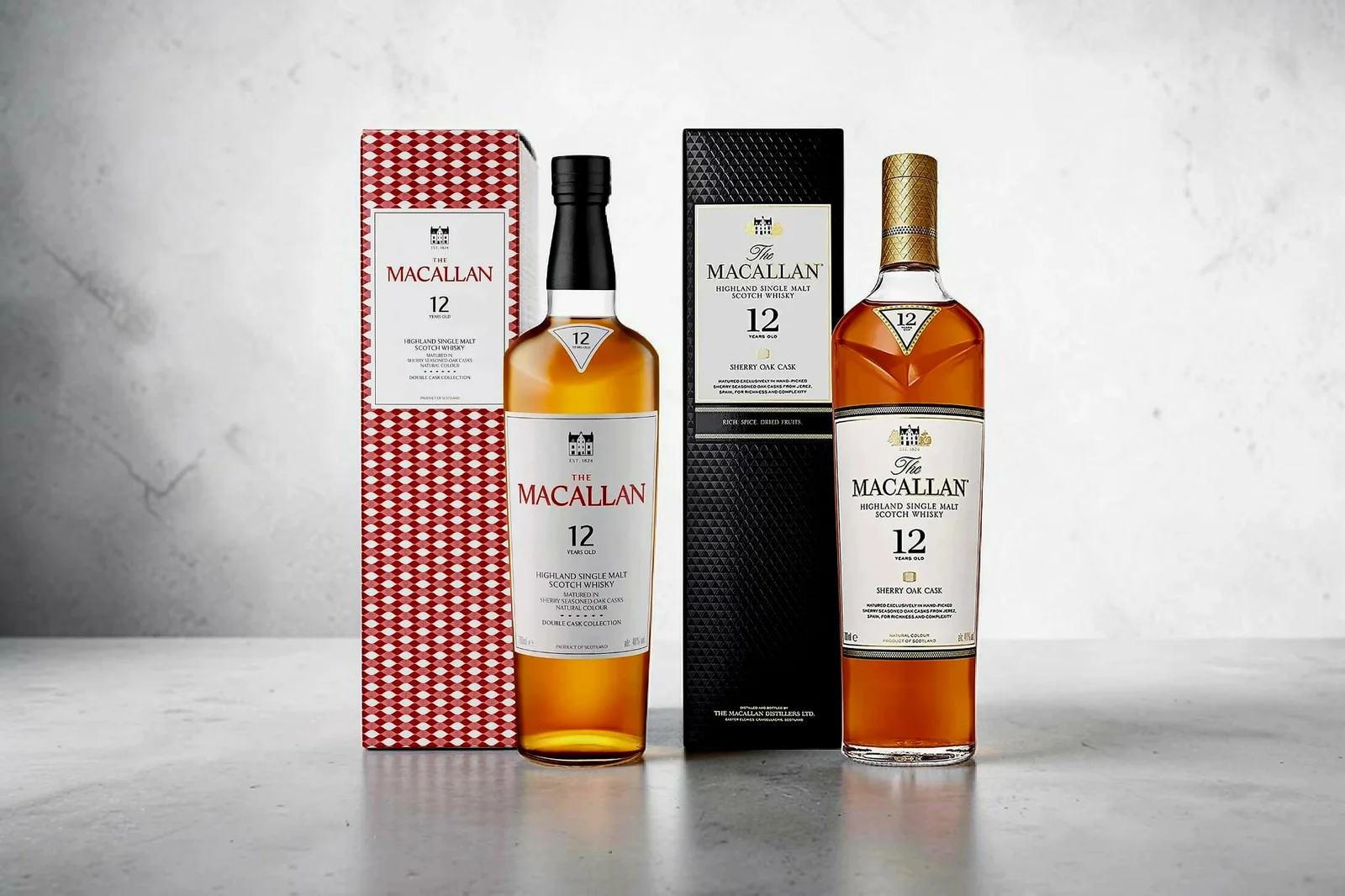
The Macallan Double Cask 12
Credit: dram1.com
Now you meet Sherry.
Macallan matures this in both American and European oak, all seasoned with sherry. The result is richer and darker than Glenfiddich. Think dried fruit, honey, toffee, and a touch of ginger.
- What it teaches you: how much the cask matters. The spirit inside isn’t wildly different from other Speyside malts. The wood does the heavy lifting.
It’s also the bottle guests recognise instantly. That counts for something at a villa dinner.
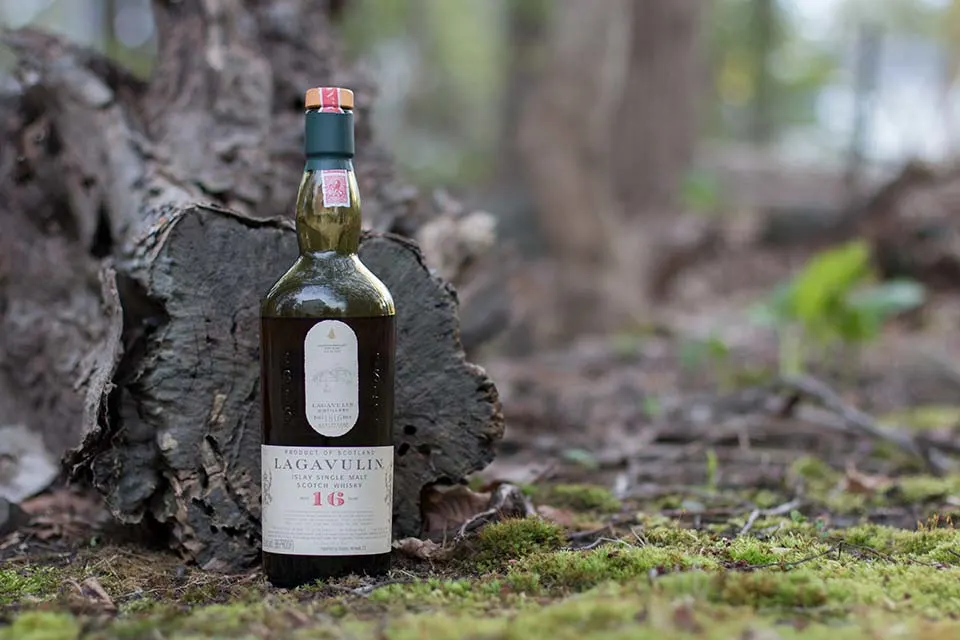
Lagavulin 16
Credit: onemoredram.com
Here’s where things get divisive.
Lagavulin is peated Islay whisky, and it does not apologise. Woodsmoke, sea salt, iodine, and a long earthy finish. Some people fall in love on the first sip; others put the glass down.
Both reactions are valid.
- What it teaches you: peat. You cannot understand aged whisky properly without tasting a serious peated malt. Even if you decide it’s not for you, you’ll know why.
Try it late, slowly, with nothing else competing for attention.
Johnnie Walker Black Label
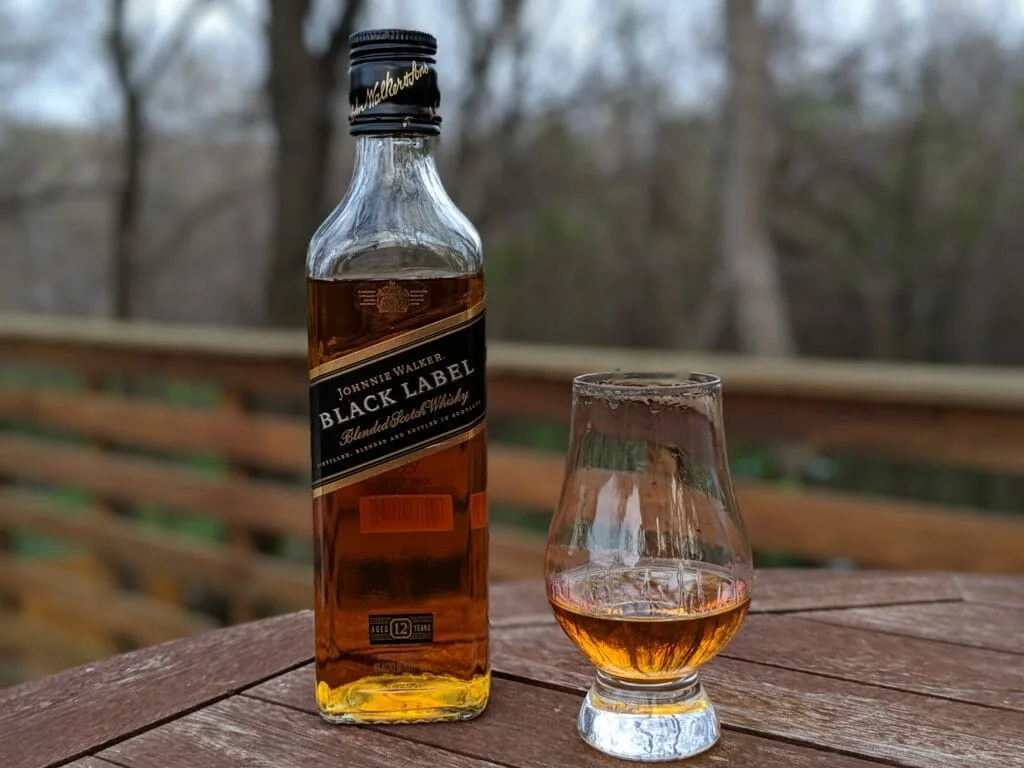
Credit: thirtyonewhiskey.com
Blended whisky gets unfairly dismissed. This one shows why that’s a mistake.
Black Label pulls together whiskies aged at least twelve years from across Scotland. You get gentle smoke, orchard fruit, a bit of spice, and vanilla underneath.
- What it teaches you: balance. Blending is a craft, not a shortcut. The whole point is making dozens of flavours sit together without any one dominating.
It’s also the most useful bottle on this list. Neat, over ice, or in mixed drinks like a soda highball. It works everywhere, which matters when you’re pouring for a crowd.
Redbreast 12
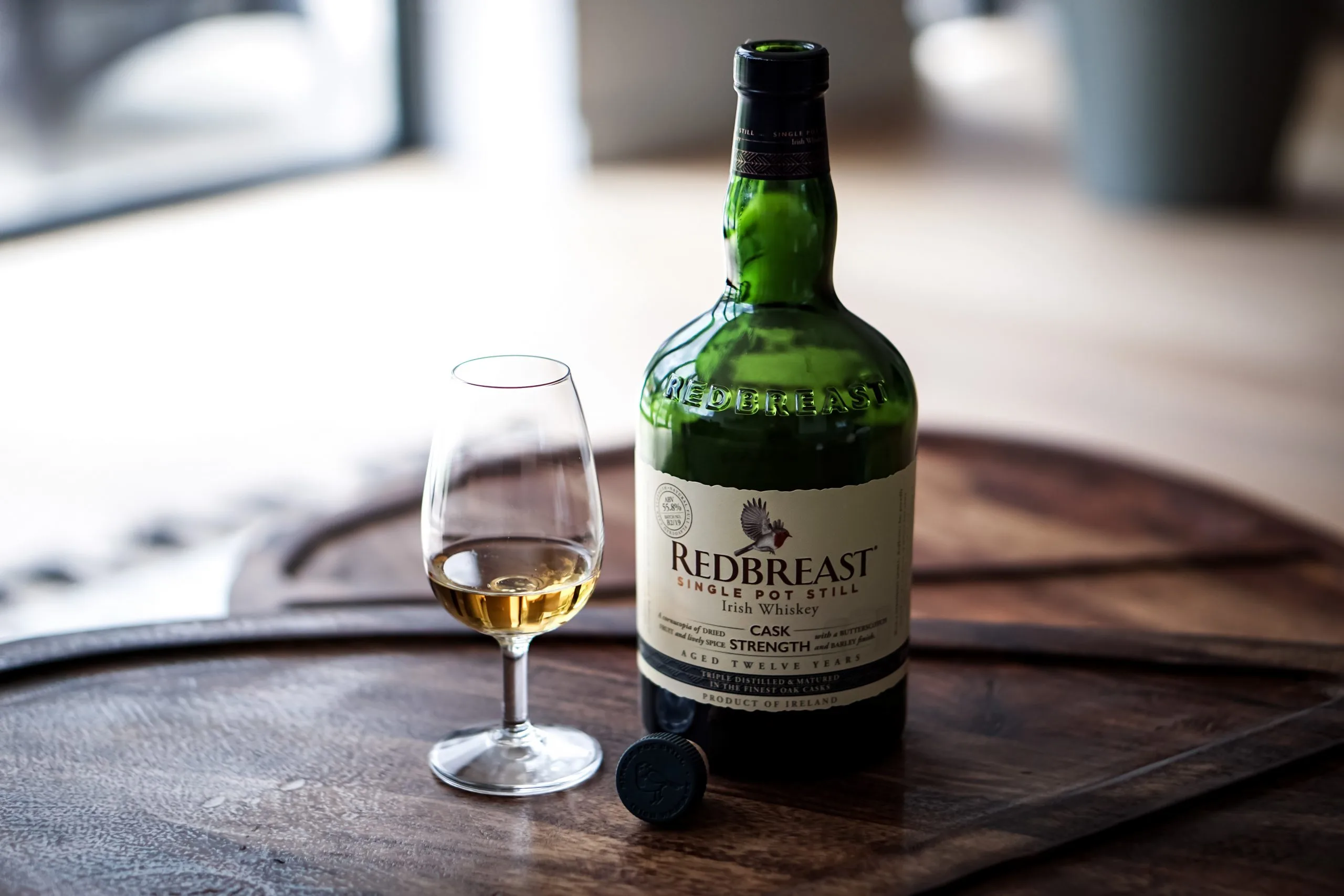
Credit: whiskylifestyle.com
Ireland’s best-kept secret, though the secret is out now.
This is single-pot still whiskey, made from malted and unmalted barley and then triple distilled. It’s creamy, thick, and full of baked apple, marzipan, and sherry sweetness.
- What it teaches you: texture. Most people chase flavour and ignore mouthfeel. Redbreast makes you notice it immediately.
If someone tells you Irish whiskey is just “smooth and simple”, pour them this.
Woodford Reserve
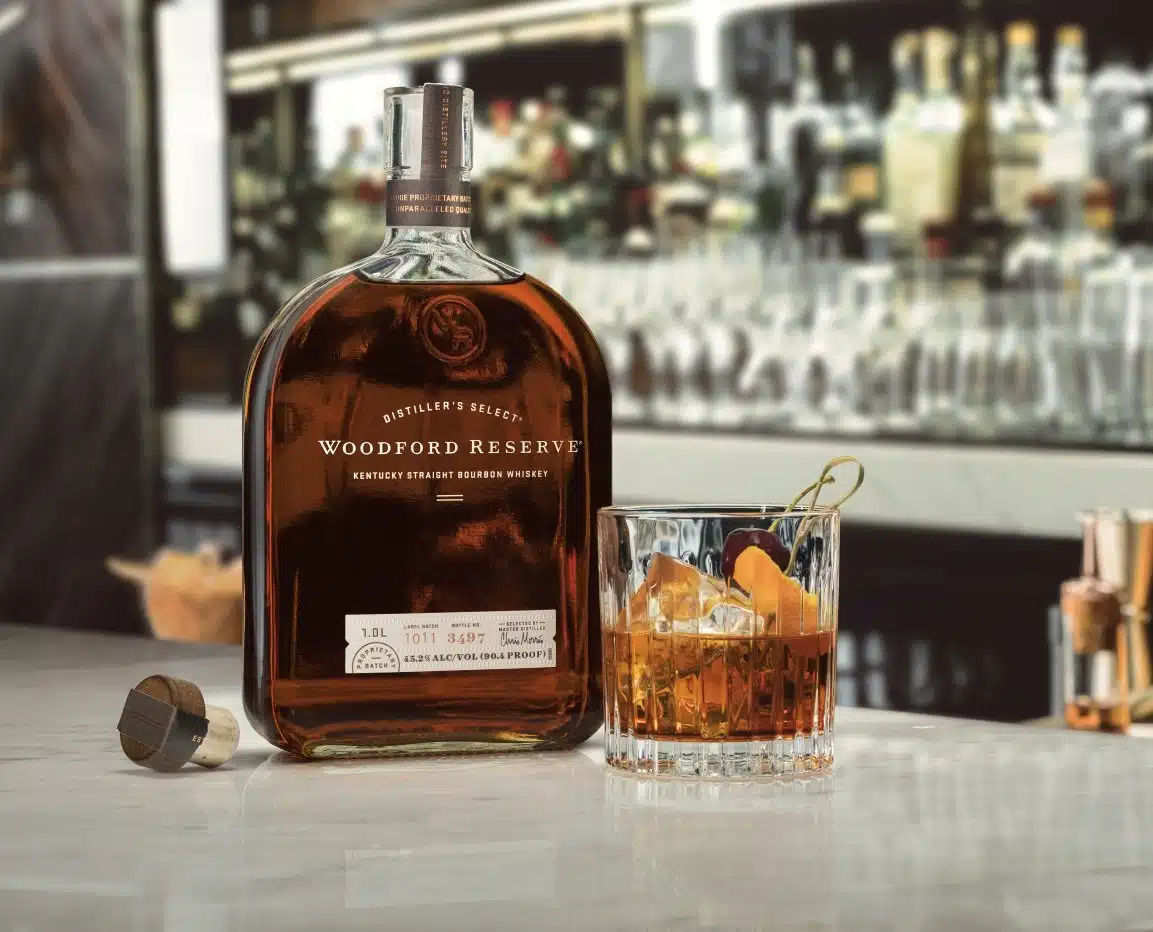
Credit: drinkhacker.com
Time to cross the Atlantic.
Kentucky bourbon whiskey must be at least 51% corn, and that corn brings sweetness. Woodford adds a healthy dose of rye for spice. Expect vanilla, caramel, orange peel, and toasted oak.
- What it teaches you: what new charred oak does. Bourbon uses fresh barrels every time, and you can taste it. That sweet, woody intensity has nowhere to hide.
Also, the ideal Old Fashioned base. Its alcohol content sits at 45.2%, so it holds up when the ice starts melting.
A Quality Rye Whiskey
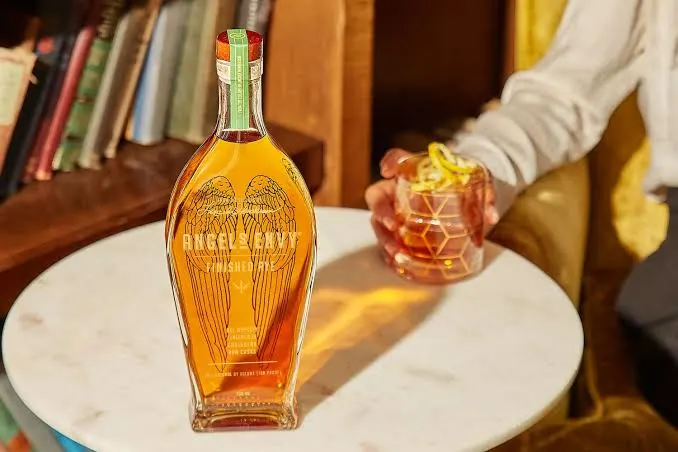
Credit: foodandwine.com
Rittenhouse Rye, Michter’s US*1, or Sazerac Rye. Pick whichever you find.
Rye is bourbon’s sharper sibling. Less sweetness, more pepper and dill. Those spicy notes run right through the finish instead of rounding off.
- What it teaches you: grain matters as much as cask. Swap corn for rye, and the whole character flips.
Try this next to your bourbon, side by side. The difference will surprise you. It’s also what most classic mixed drinks were originally built on.
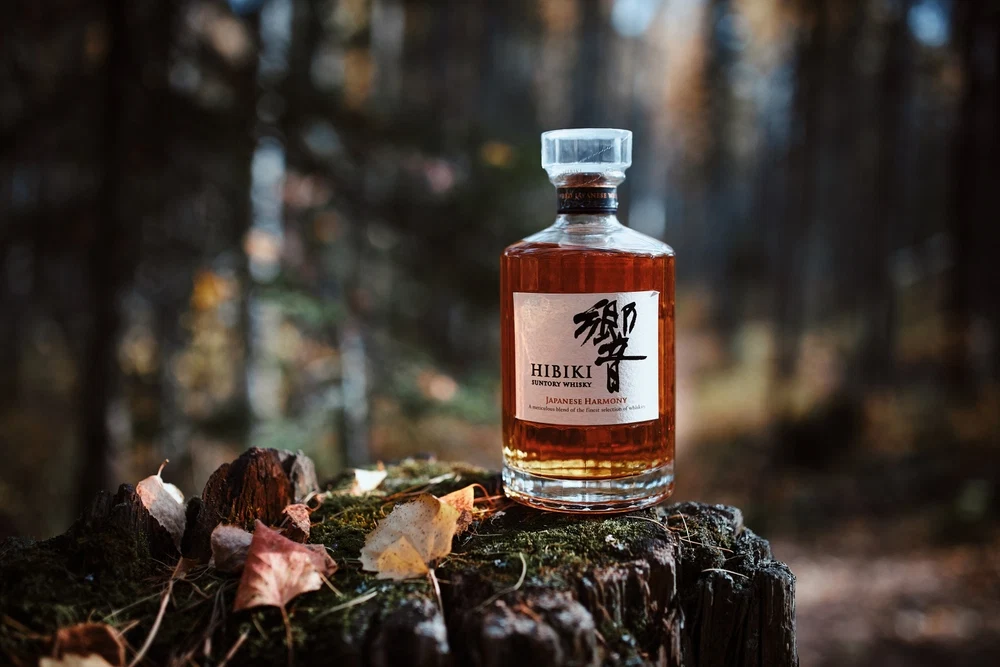
Hibiki Japanese Harmony
Credit: liquorbardelivery.com
Japanese whisky has a reputation for delicacy; Hibiki earns it.
This is a blend of malt and grain whiskies, and it’s remarkably light. Honey, orange peel, white flowers, and a whisper of sandalwood on the finish.
- What it teaches you: restraint. Not every whisky should shout. Some are built around precision and layering instead of power.
In Japan, the highball is one of the top whisky drinks going. Cold soda, plenty of ice, nothing else. On a hot Mediterranean evening, that’s genuinely the best way to drink this.
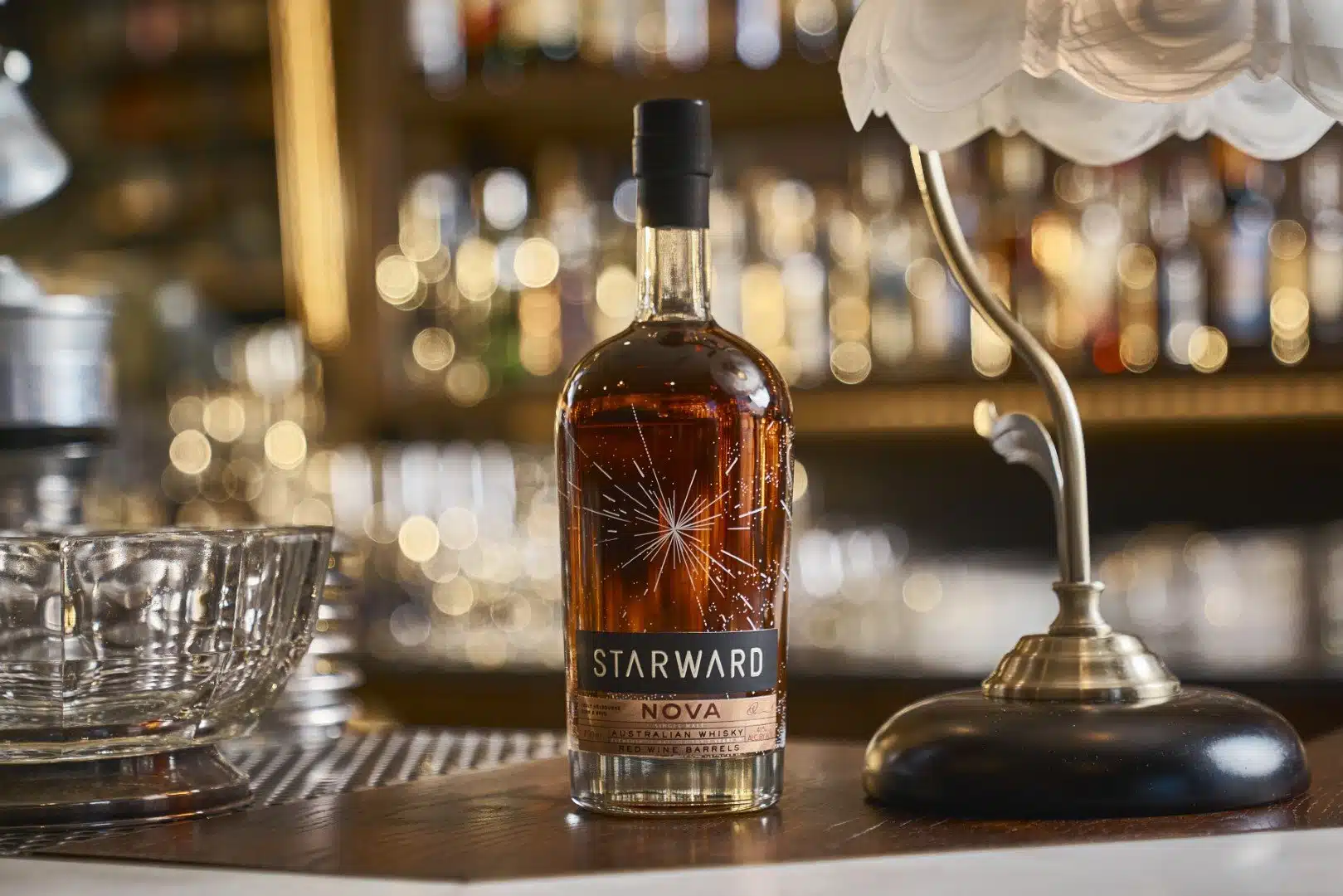
A Modern World Whisky
Credit: drinkhacker.com
Kavalan from Taiwan, Amrut from India, Starward from Australia, and Penderyn from Wales.
Any of these will do the job.
Warmer climates speed up barrel aging dramatically. The spirit attacks the wood faster, so a four-year-old Kavalan can taste older than a twelve-year-old Scotch. Expect big tropical fruit, mango, and rich vanilla.
- What it teaches you: age statements are not the whole story. Climate, cask size, and warehouse conditions shape matured spirits just as much.
This is the pick that breaks people’s assumptions. That’s exactly why it’s here.
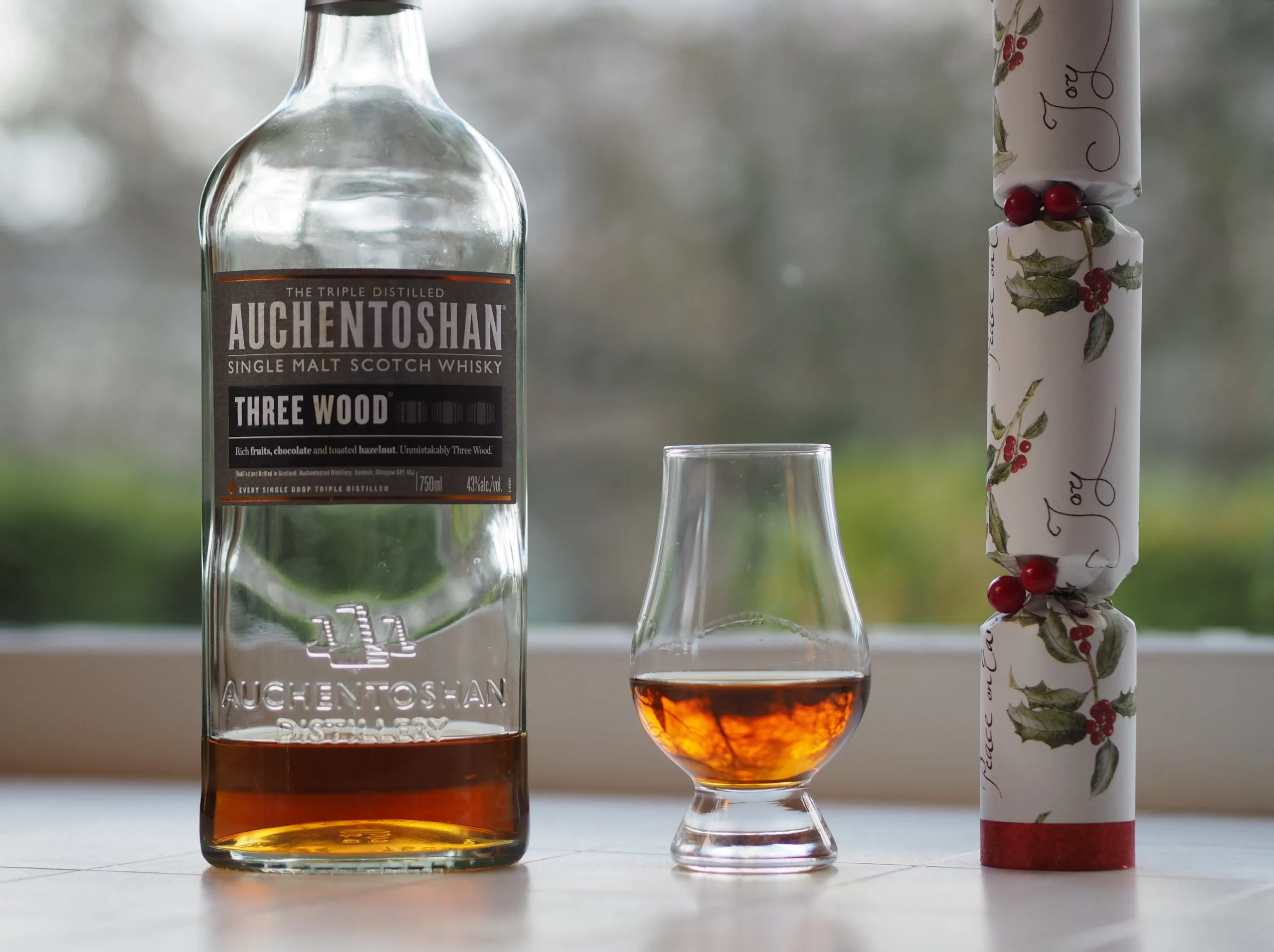
Auchentoshan Three Wood
Credit: albinotree.net
A quiet finish to the list, and a clever one.
Auchentoshan sits in the Lowlands and triple distils everything, which makes for a light, soft spirit. Then they mature it in three casks: bourbon, Oloroso sherry, and Pedro Ximénez.
That last cask does something remarkable. Dark fruit, dates, chocolate, and an almost dessert-like richness.
- What it teaches you: cask finishing. A light spirit plus heavy wood equals something neither could achieve alone.
Perfect as an after-dinner pour.
Which Whisky Should You Try First?
Depends entirely on what you already enjoy.
- Like sweet things? Start with Glenfiddich 12, then move to Auchentoshan Three Wood.
- Prefer bold and spicy? Go for Woodford Reserve, then a rye. You’ll feel the contrast immediately.
- Drink a lot of rum or brandy? Macallan Double Cask will feel familiar. Sherry casks bridge those worlds.
- Curious about smoke? Don’t jump straight to Lagavulin. Try Johnnie Walker Black first. It has smoke, but gently.
- Want something refreshing in the heat? Hibiki with soda, no contest.
Two sipping techniques before you pour. Both take seconds and change everything.
Use a glass that narrows at the top. A Glencairn or even a small wine glass concentrates the aroma, and a tumbler lets it escape.
And add a few drops of water. It softens the alcohol and opens the whisky up. Try the same dram before and after; you’ll never skip this step again.
The Final Words
These aren’t the ten most expensive bottles in the world; they’re the top 10 whiskies that make you a better drinker.
You don’t need a collection; you need a reference library. Even three or four of these bottles will change how you taste everything else.
Start with one. Take your time with it. Then move to the next.
At Prodrinks, we handle premium whisky delivery across Ibiza, Mallorca, and Formentera, straight to your villa, yacht, or private event. One bottle for the terrace or a full bar for forty guests, our team is available 24/7.
Frequently Asked Questions
Whisky basics, buying advice, and how to get a bottle to your door.
What’s the difference between whisky and whiskey?
Just spelling, mostly. Scotland, Japan, and Canada use “whisky”. Ireland and the United States generally use “whisky”. The liquid inside isn’t defined by the letter.
Should I add ice or water to my whisky?
Water, and only a few drops. It releases aroma and softens the burn. Ice chills and mutes flavour, which suits big, bold bourbons or a hot day. For delicate malts, skip it.
Which whisky is best for a complete beginner?
Glenfiddich 12 or Johnnie Walker Black Label. Both are gentle, widely available, and forgiving. Neither will scare you off.
Does an older whisky always taste better?
No. Age adds oak influence, not automatic quality. A warm-climate whisky can mature beautifully in four years. Balance matters far more than the number on the label.
Can I get whisky delivered to a villa or yacht?
Yes. ProDrinks offers online whisky delivery across Ibiza, Mallorca and Formentera, with same-day delivery options in most areas. Order by phone or WhatsApp, any hour.
How long does an opened bottle last?
Around one to two years at good quality. Keep it upright, away from sunlight and heat. Once it drops below half full, drink it sooner. Air slowly flattens the flavour.